
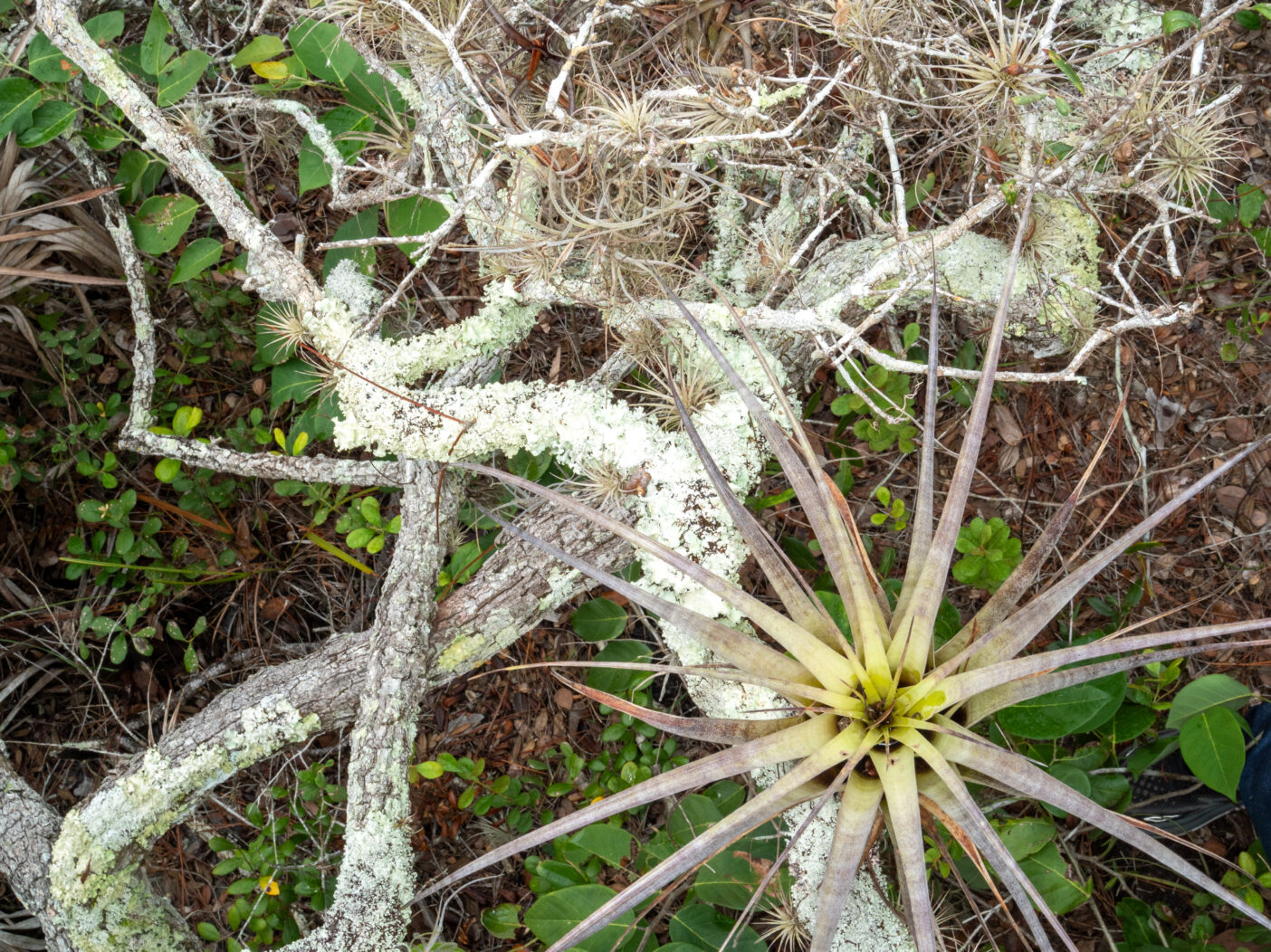
The next time you visit the Garden, take a moment to gaze upward. Can you spot the delicate orchids clinging to the branches? The vibrant bromeliads nestled in the canopy? The wispy tendrils of Spanish moss draping the trees? What you’re observing are epiphytes.
Epiphytes, quite simply, are plants that grow on other plants. Often found high in the canopy, they attach themselves to branches and trunks of existing trees. This raises some questions, first and foremost: How do they get up there?
The journey of an epiphyte begins with its seeds. Wind, water, and even animals all play a role in spreading seeds to new locations. Once an epiphytic seed lands in a suitable habitat, it sends out roots, anchors itself to the bark of a tree, and begins to grow.
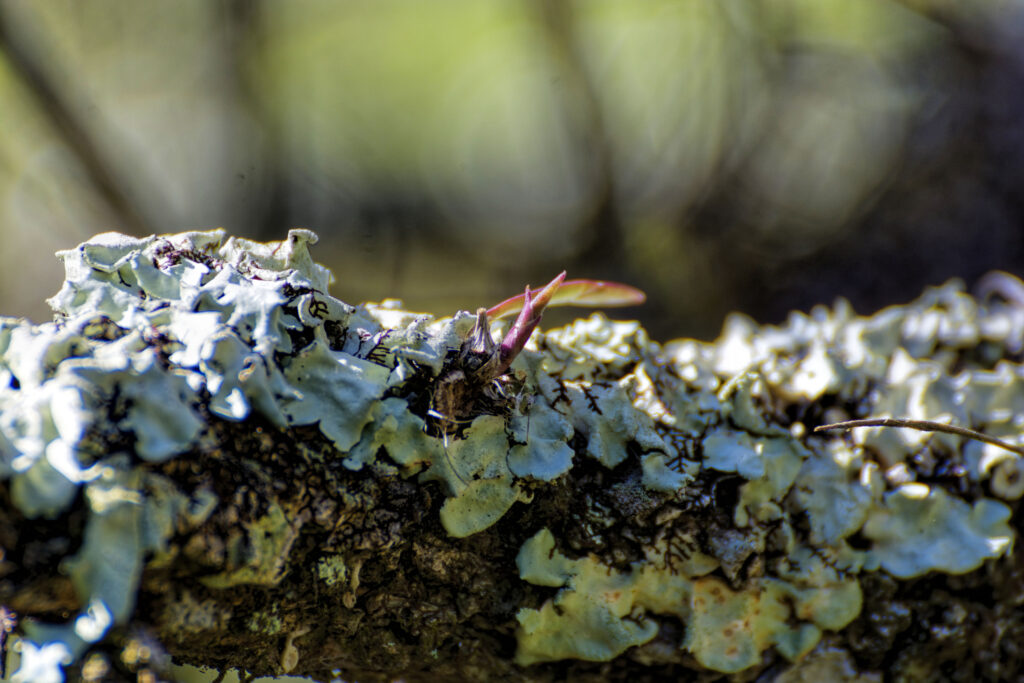
Amazingly, epiphytes can live without one of the key substances most plants need to survive: soil. They do this by absorbing nutrients from the surrounding environment, such as moisture and humidity in the air.
But are they harmful?
Importantly, epiphytes do not directly take nutrients from their host tree. Most of the time, these plants are living in symbiosis, helping each other survive.
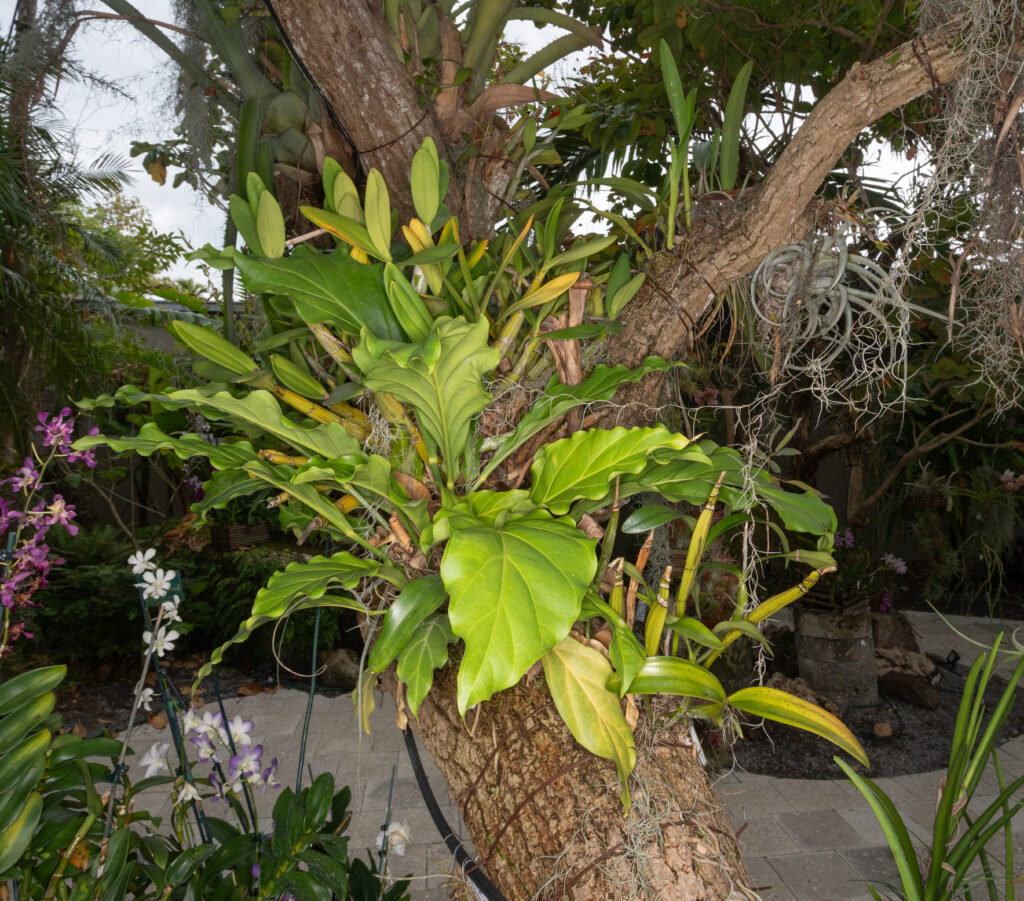
Photo by John Eder
Epiphytes can be found throughout the Garden, from canopy-dwelling bromeliads and tillandsias to stunning orchids. If you’re interested in learning more about these fascinating plants, join an educator-led Orchids & Epiphytes Daily Tour, available every Tuesday. Conclude your Garden visit with a stop in the Berger Shop in the Garden to purchase your own epiphyte to take home.
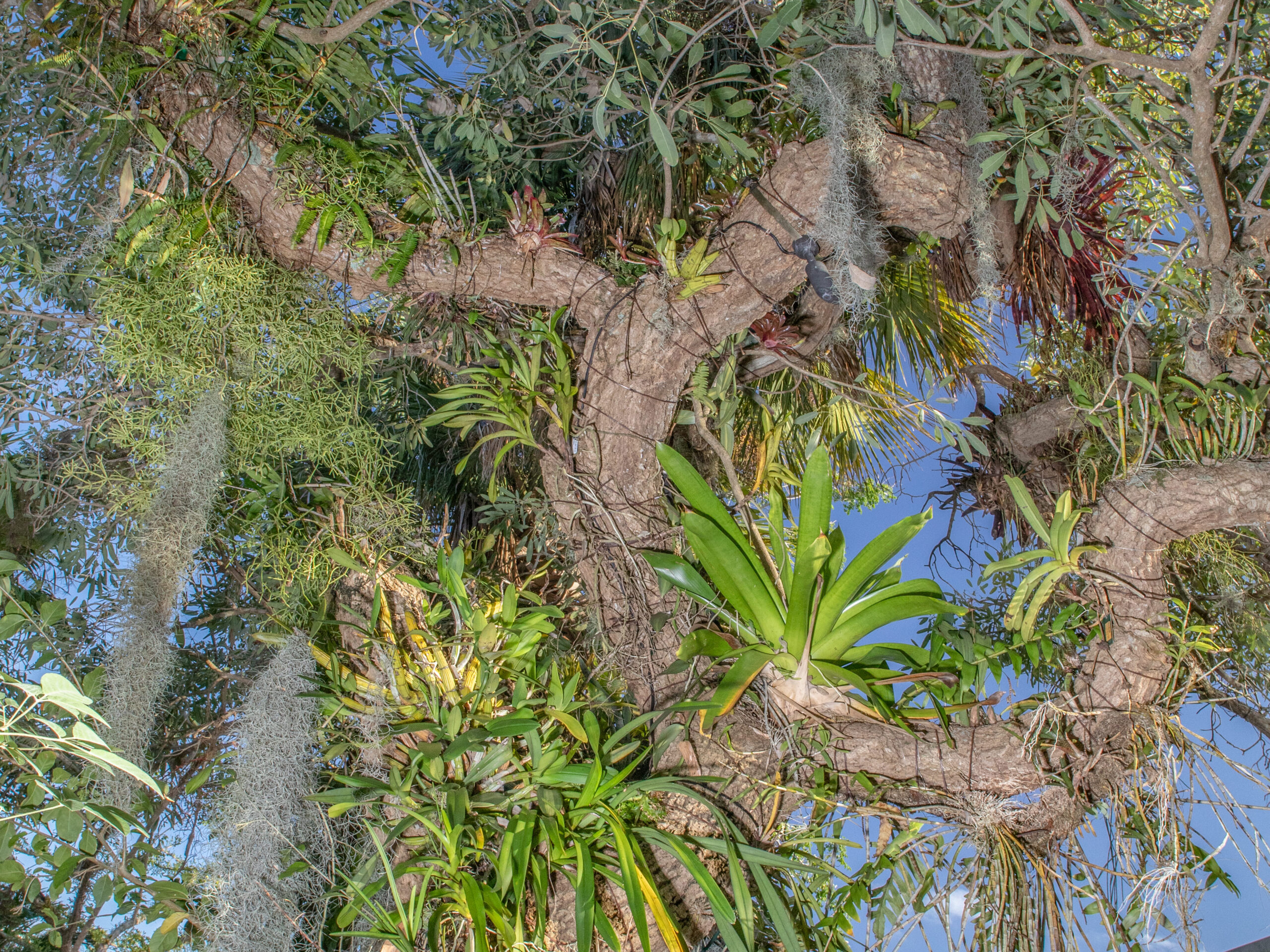
Photo by John Eder
This article first appeared in the Spring 2025 issue of Cultivate, the Garden’s magazine.