A headline check of environmental news during the week of April 20:
- Almost Half of America’s Kids Are Breathing Toxic Air (Inside Climate News)
- What a 5,000-mile-long Marine Heat Wave Means for Summer in the U.S. (Washington Post)
- World Food Systems ‘Pushed to the Brink’ By Extreme Heat, UN Warns (The Guardian)
That same week, four of us from Naples Botanical Garden attended the 2026 Botanical Bridges Congress, a biannual gathering of professionals who specialize in the flora of the Caribbean region, which includes South Florida. From that event, held in the Dominican Republic, we offer some very different headlines:
- New Global Food Security Initiative Launched
- Colombian Garden Cools City with Thousands of Trees
- Bermudans Reforest their Island—One Vacant Lot at a Time
And the big, front-page banner:
Botanical Gardens Unite to Combat Climate Change, Restore Ecosystems, Save Species and Protect People.
If you don’t know what botanical gardens are accomplishing behind their expertly manicured landscapes, you’re not alone. Until this experience, even I, charged with communicating the work of this Garden, didn’t fully appreciate the extent of my industry’s ambitions—or the leadership role Naples Botanical Garden has assumed in advancing them.
Naples Botanical Garden serves as the secretariat, or administrator, of the Caribbean and Central American Botanic Gardens Network. The Network organizes this Congress every two years, along with its parent organization, Botanic Gardens Conservation International (BGCI), and several other stakeholders. Lina Ramirez, the Network Coordinator, is based at our Garden from where she sets up training opportunities, connects people and resources, and brings new gardens into the fold.
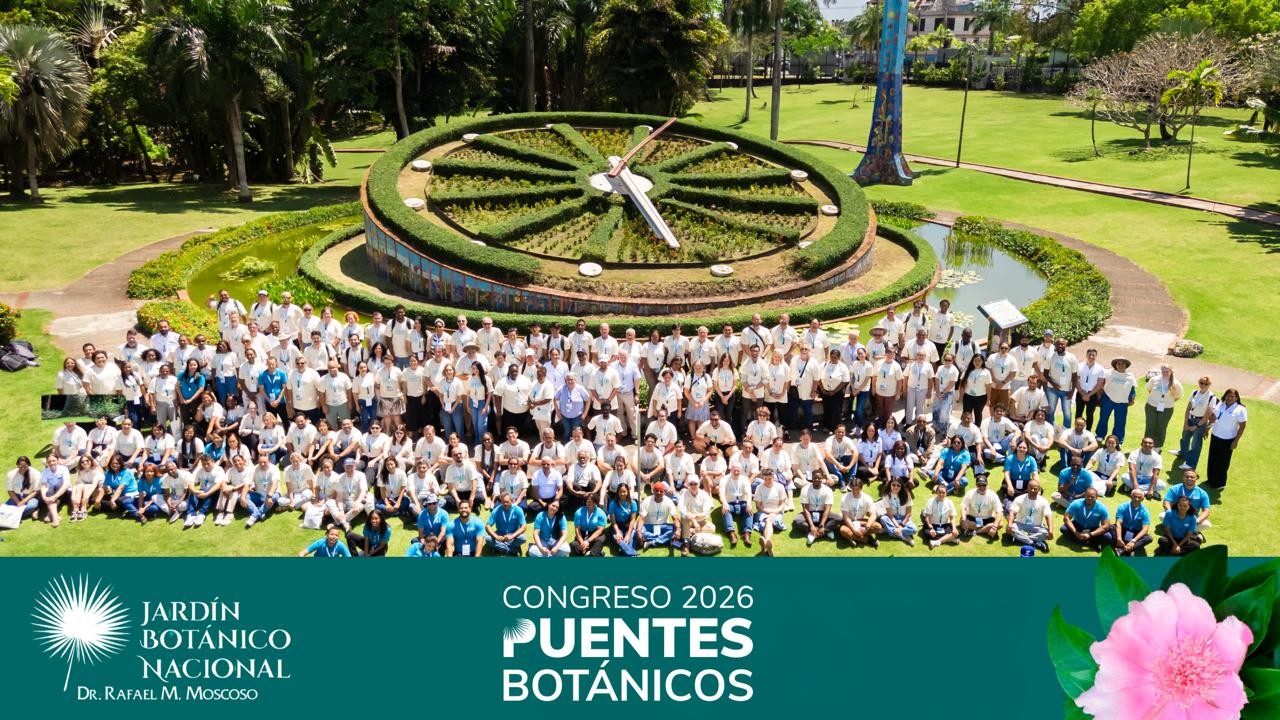
This year’s Congress, held at Jardiń Botánico Nacional Dr. Rafael M. Moscoco, drew more than 200 participants from 30 countries and 90 institutions, the biggest such gathering to date. Here are some of the themes that emerged—and the reasons why we’re back on the job in Naples with renewed spirits.
Conservation is a Collective Action
Botanical gardens disregard political boundaries and treat plant conservation as a singular mission, carried out by many emissaries.
This happens in small ways—expert botanists supporting upstart organizations—and in big multinational undertakings, such as BGCI’s Global Conservation Consortia, coalitions of plant experts determined to slow the rate of extinction.
It’s a daunting task—some 45% of the world’s plant species are at risk of disappearing, but botanical leaders rallied to come up with coordinated, methodical plans to save them. They decided to start with trees, combing through databases to determine which species were most at risk, which were well protected in botanical collections, and where they should direct their collective energy.
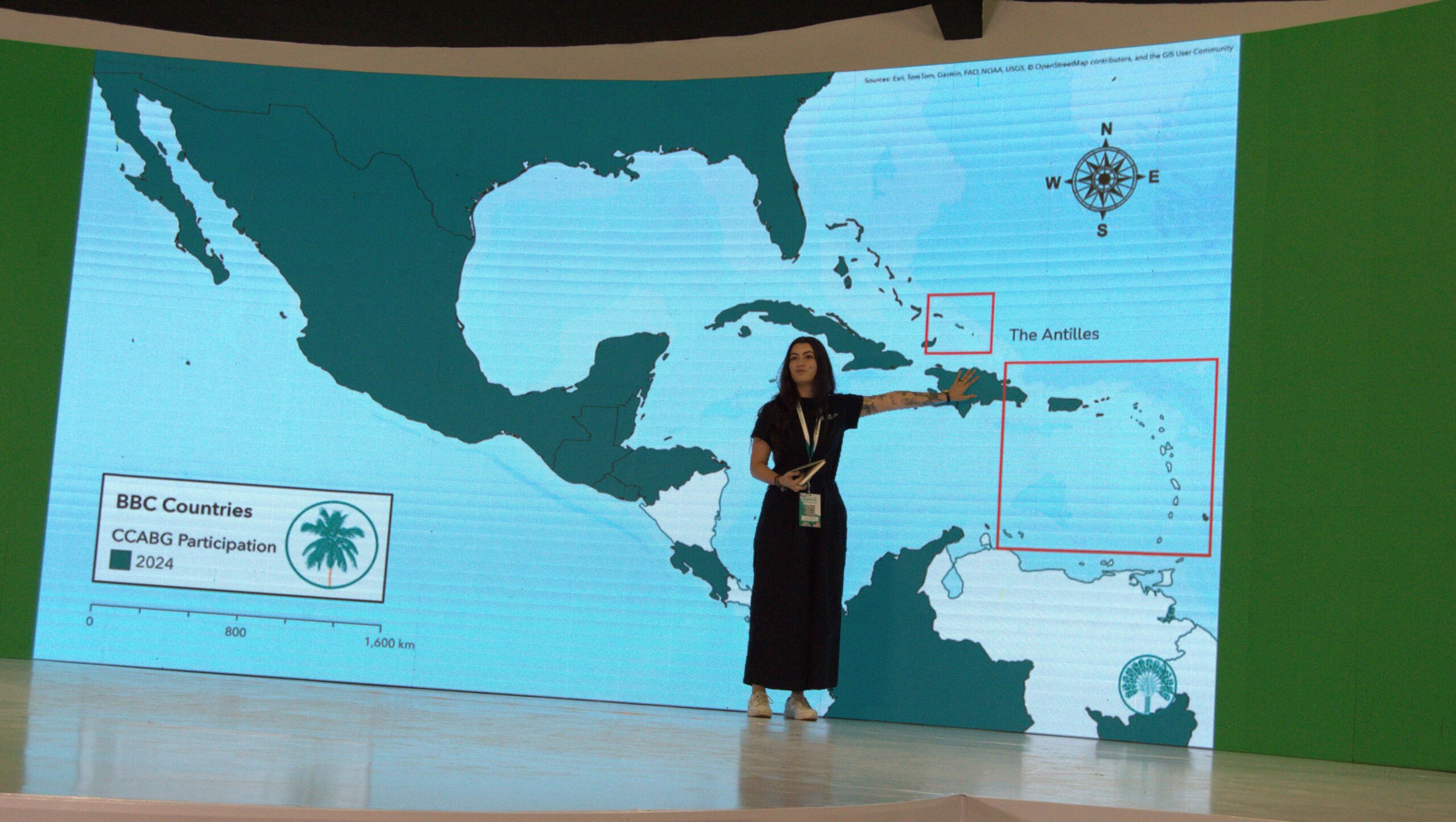
No single entity aspires to hold an entire collection; instead, species are divided among many, forming a “meta collection.” This pragmatic approach allows institutions to share the cost, labor, and risk of harboring vulnerable plants.
“There is no technical reason a plant should go extinct. I really, truly believe that,” said Emily Coffey, the Vice President of Conservation & Research at Atlanta Botanical Garden, which leads efforts to save magnolia. “I do think it’s really just a matter of funding. The knowledge is there.”
The newest undertaking is a worldwide effort to conserve the plants we eat—or could eat. You may have heard the oft-cited statistic that the human diet has narrowed to about 12 species, namely rice, corn, and wheat. But, according to historical records, some 30,000 plants have sustained people over time.
“There are wild food plants in forests and grasslands and deserts and in cracks in the sidewalks,” said Colin Khoury, Project Manager of the newly formed Global Conservation Consortium for Food Plants, based at New York Botanical Garden.
“Much of this diversity, if it is going to continue to persist, it actually has to be used,” he continued. “That is conservation through eating.” He hopes to bring together the world’s two biggest repositories of seeds—botanical gardens and agricultural genebanks—and then enlist support from those who influence what we eat, such as chefs and growers.
The Consortia were far from the only collective efforts highlighted. BGCI staff sought new signatories to their Declaration of Intent on Climate Action Education, recognizing the power of an educated public in fighting climate change. Megan Joyce, the Outreach Director of Reverse the Red, outlined her movement’s answer to the extinction crisis: tool kits and strategic plans uniting conservation groups, government entities, and local communities to save endangered plants and animals, one species pledge at a time.
“Collaboration—where everyone is moving on that same forward trajectory—is exactly what we’re going for,” said Megan. “Each day, there’s been so much positive movement.”
Conservation is Macro and Micro
I often fear that environmental challenges seem so vast that people simply look away, believing them intractable.
But then I spoke to Nick Coelho, who is leading the Bermuda Zoological Society’s Micro Forest Project. Nick and I had met on Zoom a few years back, and I was delighted to hear about his progress in person.
“We’re hoping to hit our 30th site this year,” he told me brightly. Invasive plants had overrun Bermuda; this project seeks to reintroduce traditional flora by planting dense patches of native and endemic plants in vacant parcels, school yards, residential properties, and just about any other spare space. The smallest plot is about the size of a queen bed; the largest is a half-acre.
“Small efforts add up to something greater,” Nick said. “Even just planting one tree in one yard makes a difference.”
On the more expansive end of the spectrum, the Joaquín Antonio Uribe Botanical Garden in Medellín, Colombia, has collaborated with city officials to lead a nearly 20-year effort to combat rising temperatures and poor air quality by planting highway-like green corridors. The garden amassed native seeds, grew plants, and installed hundreds of thousands of them, with a focus on at-risk species.
“The city can be an extension of our living collections,” Director of Forestry and Landscaping German Restrepo Soto told the crowd. Average temperatures have dropped by 2 degrees Celsius. Soto’s garden grew a workforce, too, identifying under-privileged Colombians and offering horticultural training—a model of environmental, economic, and social change.
Botanical Gardens as a Remedy
When you work inside an industry, it’s easy to lose sight of what makes it special. But three encounters with botanical leaders from Aruba, Puerto Rico, and Bermuda prompted me to see botanical gardens anew. Each of these leaders were striving to transform their organizations into botanical gardens because they believe so strongly in our unique mission of plant conservation, environmental science, and public engagement.
“I’m trying to absorb all this like a sponge,” said Roger Solagnier of the Aruba Conservation Foundation. His organization is preparing to create three mini botanic gardens within the boundaries of a national park. The team intends to showcase native plants and create demonstration gardens, among other initiatives.
In Puerto Rico, Gil Calderon is restoring the grounds of the William Miranda Marín Botanical and Cultural Garden—along with its conservation imperative, which had taken a back seat to revenue-generating events following Hurricane Maria. He spent the Congress identifying garden leaders who could help him redefine his mission. “I’m not a botanist or a scientist,” said Gil, a former attorney. “I’ve learned so much.”
Danny Simmons of Bermuda Botanical Garden is leading the same kind of transformation; his century-old botanical garden lost much of its funding, expert staff, and plant records, and now operates as a regional park. With the help of Network experts, he’s rediscovering the collections and reshaping the organization into a force for plant conservation and land management.
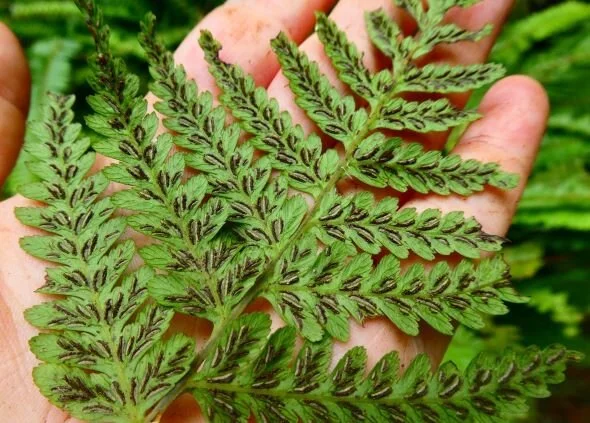
When I asked Danny why botanical gardens matter, he offered many reasons, but one story stuck: His garden held Bermuda’s last-of-their-kind Governor Lafann ferns (Diplazium laffanianum). Some years ago, his predecessors had the foresight to send clippings to a plant conservation lab in Nebraska just before a hurricane wiped out the garden’s greenhouse. The fern, once declared extinct in the wild, has been successfully propagated and re-introduced to the island. “What’s amazing,” Danny said, “is our botanical garden is at the center of it.”
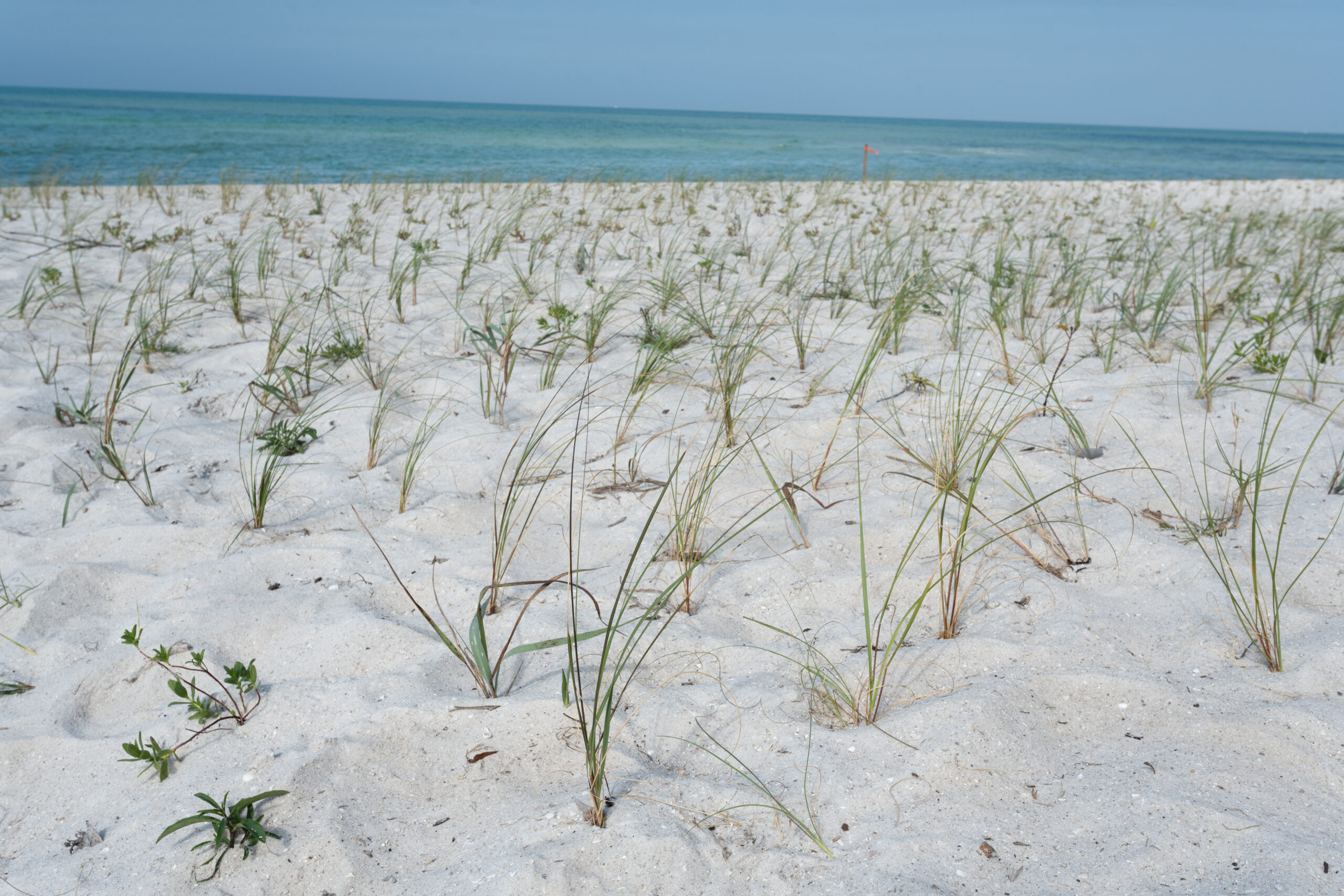
Botanical gardens alone can’t reverse the environmental degradation happening worldwide. But in the weeks following the Congress, new partnerships are already yielding results. In Naples, Vice President of Conservation Chad Washburn is answering numerous inquiries about our beach dune restoration practices from those who’d heard his presentation. He’s enlisted our fruit specialist to investigate ways of supporting the new food plant endeavor. Vice President of Education & Interpretation Britt Patterson-Weber enrolled a Dominican colleague in our Nature Journaling program to see firsthand how that curriculum bridges art and science. Lina, the Network Coordinator, remarked: “We expect a lot of amazing collaborative projects to come out of this, and I’ve already heard of institutions starting to work on proposals.”
I was not the only one to reflect on the real-world headlines and contrast them to what we had experienced.
“The odds have never been so stacked against us,” said Wesley Knapp, Executive Director of the Center for Plant Conservation, based in the United States, “but we’re getting together to lift each other up and try to coordinate our actions to make a difference.”