• Skip to primary navigation
  • Skip to main content
  • Skip to footer
Naples Botanical Garden

Naples Botanical Garden

    • OPEN DAILY
      9am – 5pm*
      8 – 9am Members Only

  • VISIT
    • Plan Your Visit
      • About the Garden
      • Ways to enjoy the Garden
      • Fogg Café
      • Berger Shop in the Garden
      • Tour Options
      • Private Events
      • Photography Policy
      • Policies
    • Gardens
      • Collections
    • Events & Exhibitions
    • Students & Teachers
    • Contact Us
  • Learn
    • Adult Programming
    • Children & Families
    • Meet Me in the Garden
    • Nature Journaling
    • Notes From the Garden
  • Conservation
    • The Center for Nature-Based Solutions
    • Protecting Wild Plants
    • Conservation Collections
    • Prescribed Burns
    • Seed Collecting & Conservation Horticulture
    • Global Contributions
  • SUPPORT
    • Donate
    • Membership
    • Royal Palm Society
    • Sponsor
    • Volunteers
  • Calendar
  • Reserve Tickets
Show Search
Hide Search
  • VISIT
    • Plan Your Visit
      • About the Garden
      • Ways to enjoy the Garden
      • Fogg Café
      • Berger Shop in the Garden
      • Tour Options
      • Private Events
      • Photography Policy
      • Policies
    • Gardens
      • Collections
    • Events & Exhibitions
    • Students & Teachers
    • Contact Us
  • Learn
    • Adult Programming
    • Children & Families
    • Meet Me in the Garden
    • Nature Journaling
    • Notes From the Garden
  • Conservation
    • The Center for Nature-Based Solutions
    • Protecting Wild Plants
    • Conservation Collections
    • Prescribed Burns
    • Seed Collecting & Conservation Horticulture
    • Global Contributions
  • SUPPORT
    • Donate
    • Membership
    • Royal Palm Society
    • Sponsor
    • Volunteers
  • Calendar
  • Reserve Tickets

Is that a Waterlily?

July 22, 2026 by Renee W

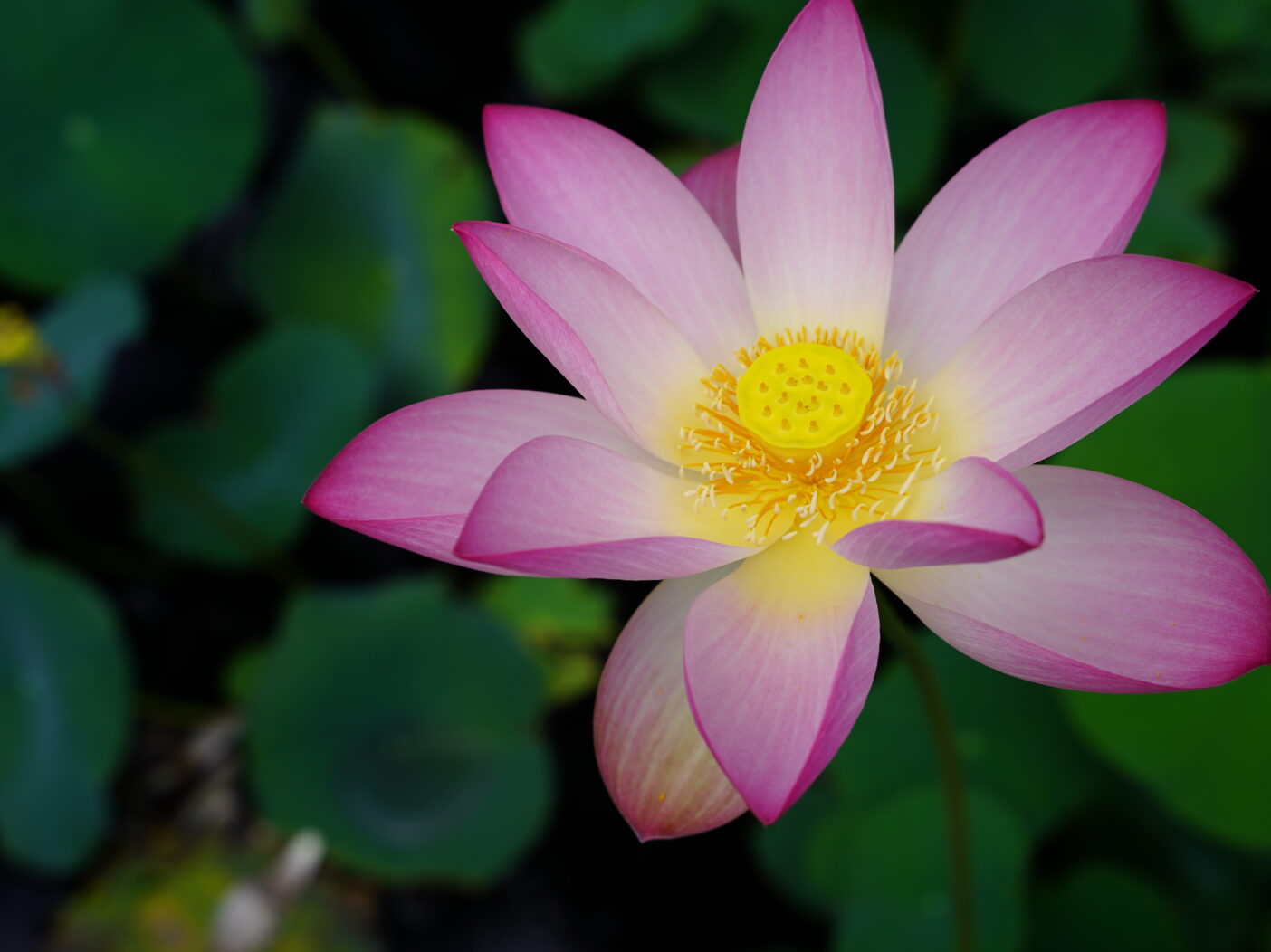
A large, pink lotus flower with a bright yellow center blooms above the water. There are lotus leaves in the background.

Meet the lotus, an aquatic marvel

The enchanting blooms and curious leaves of the lotus (Nelumbo nucifera) greet you from the water as you wander through the Lea Asian Garden. These remarkable plants, often mistaken for waterlilies (Nymphaea sp.), emerge and grow tall above the waterline, while waterlilies float on the surface.

The serene, inviting flowers of the lotus are much more than meets the eye. From inspiring scientific advancements to culinary creations, the contributions of this plant go far beyond its aesthetics.
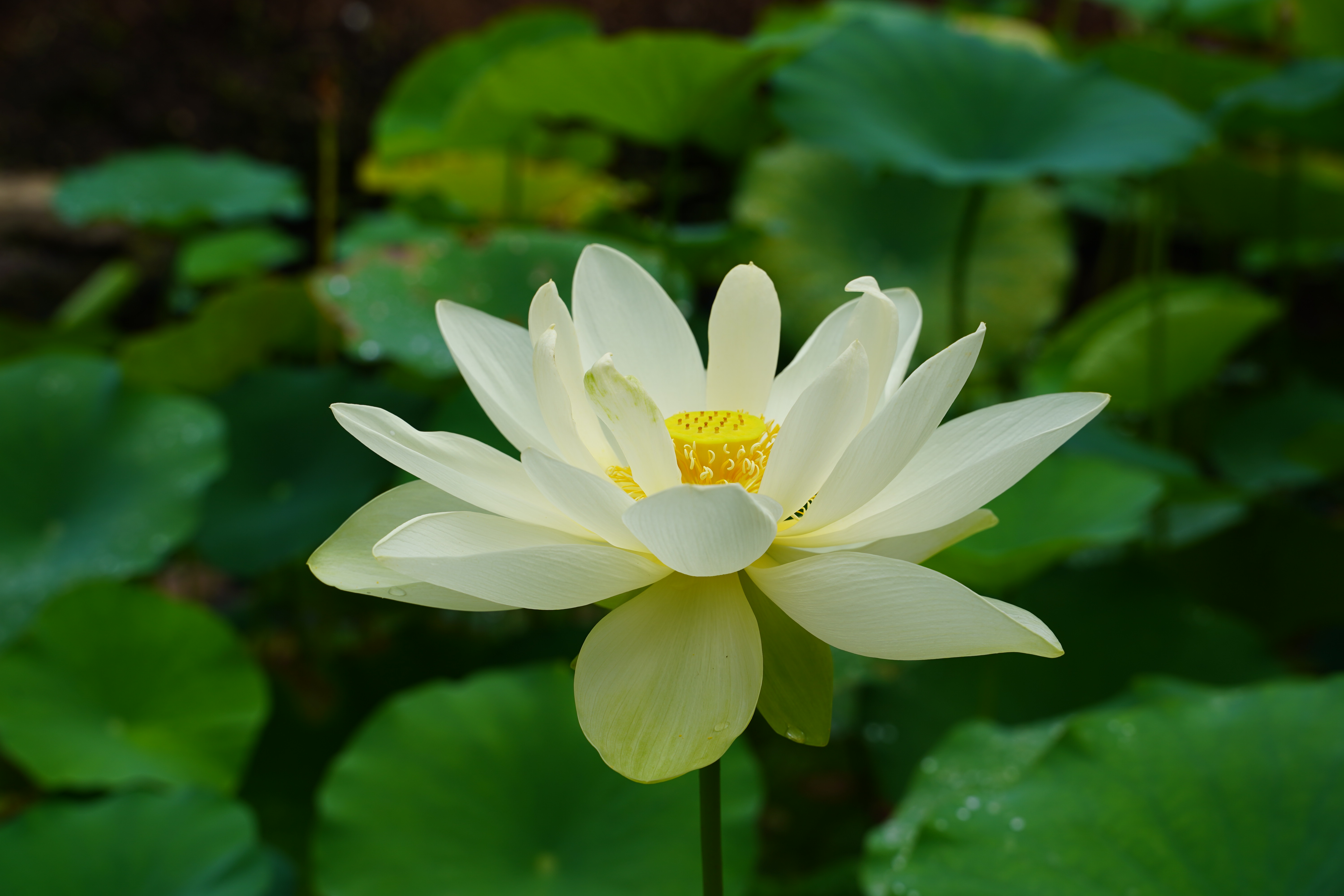
A large, white lotus flower with a bright yellow center blooms above the water. There are lotus leaves in the background.
Symbolizing light and beauty, lotus blooms range in shades from bright white to dark pink.

The Lotus Effect

You may have heard of the term “the lotus effect.” Lotuses have large, platter-like leaves that are rough and waxy, giving the surface a water-repellant property. When water hits a lotus leaf, it beads up and rolls off, taking any dirt and debris with it. This discovery has led to scientific innovation aimed at imitating this natural phenomenon in daily life.
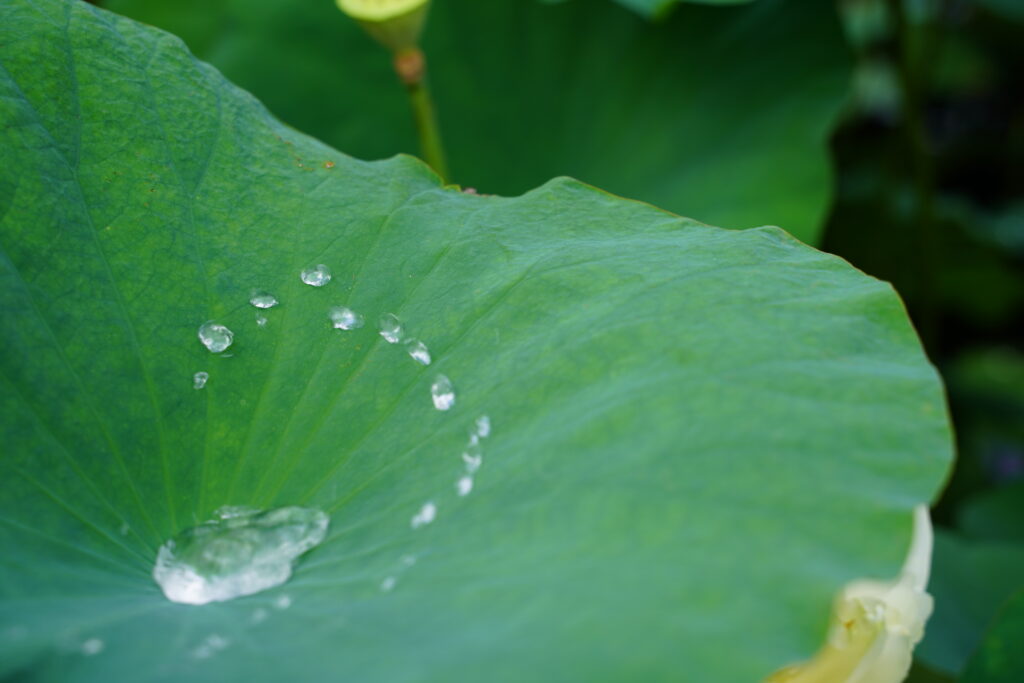
A close up image of a lotus leaf shows water beading up on the surface of the dry leaf.
The lotus effect keeps leaves dry and clean of debris. Observe a demonstration of the lotus effect during programming on Waterlily Weekend.

Dinner is Served

Lotus is a staple food source in China, India, and Southeast Asia. The entire plant is edible, with two go-tos:

Rhizomes

  • Grow beneath the mud in long, linked chains
  • Have a crunchy, potato-like texture and mild sweet flavor
  • Uses range from stir fries and soups to pickling and baking

Seeds

  • Have a mildly sweet taste
  • Are eaten fresh, dried and popped, or ground into a powder for flavoring desserts
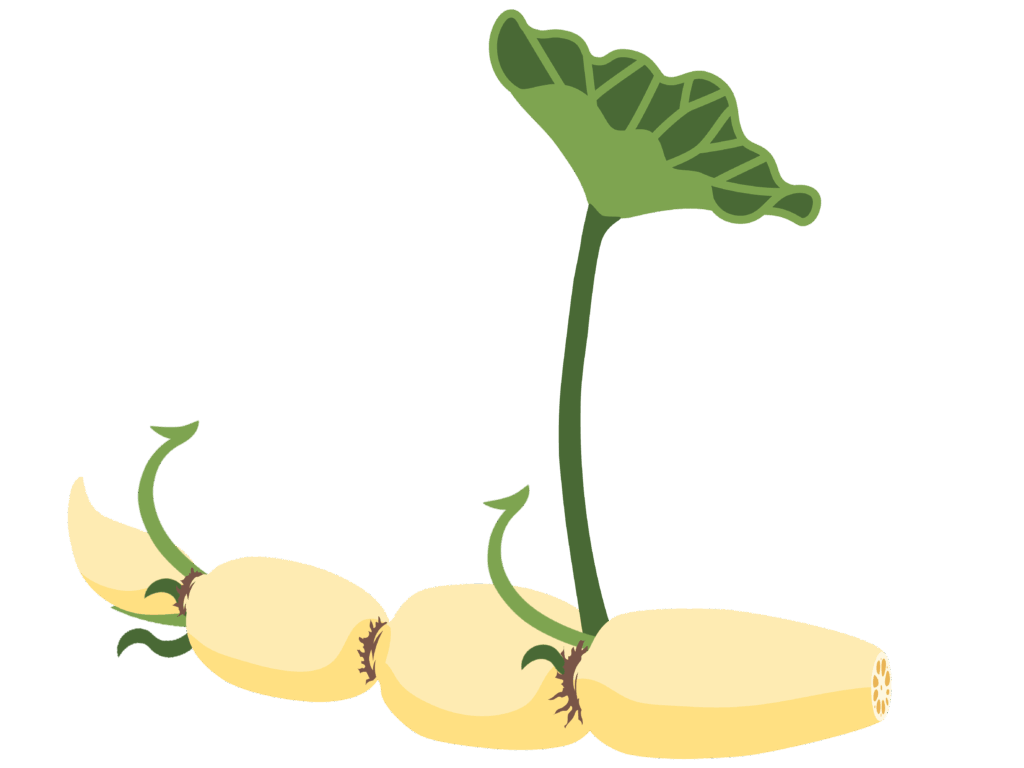
An illustration of a lotus rhizome with two small sprouts and one large sprout and leaf coming out of it. The rhizome is pale in color and is made up of four linked sections.
Lotus rhizome and sprout
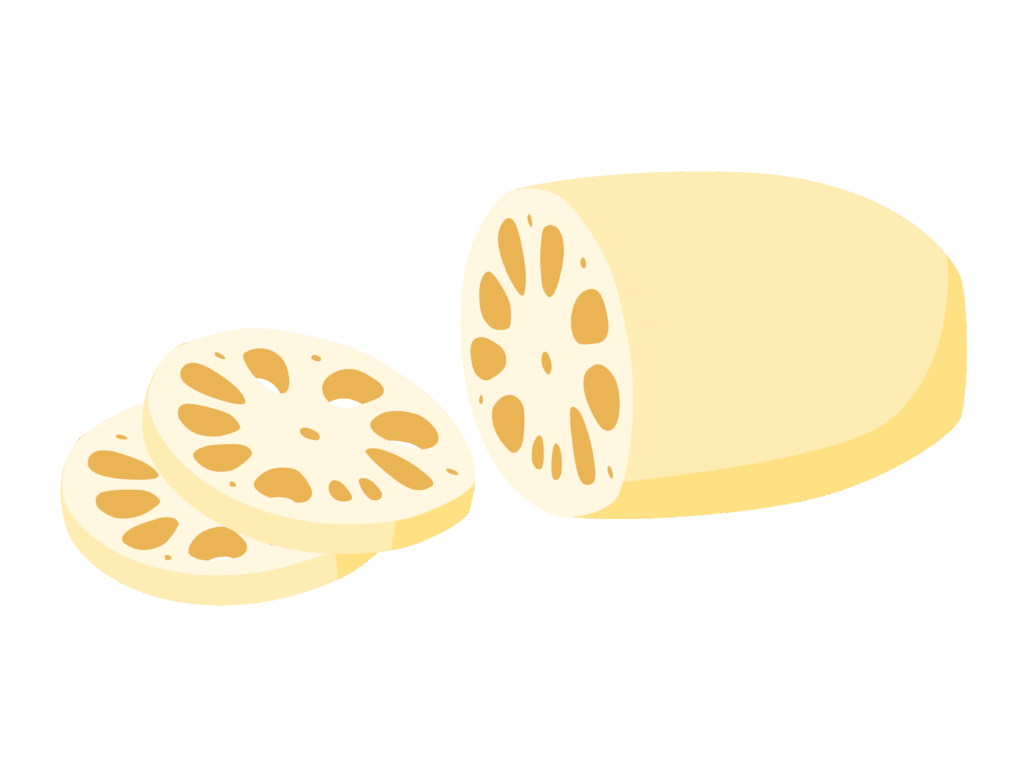
An illustration of a lotus root that is potato-like in both shape and color has two slices next to it, revealing the holey inside.
Rhizome cross section
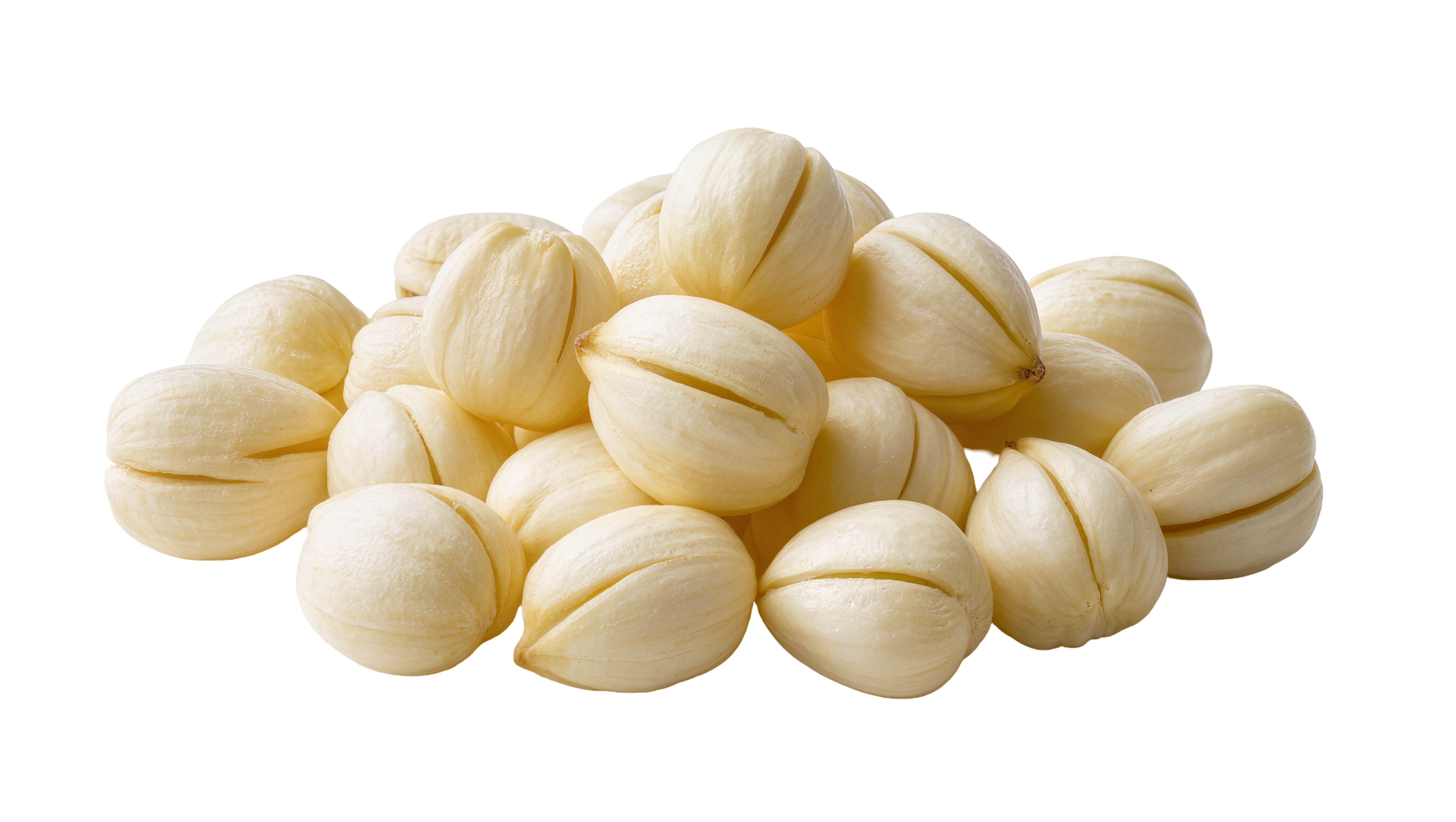
A small pile of pale seeds, all with a split down the center
Shelled lotus seeds

Cultural Icon

Lotus, often called sacred lotus, has deep cultural and religious significance in Hinduism and Buddhism, and has been in cultivation for over 3,000 years. It serves as a symbol of life, rebirth, and enlightenment as it grows from muddy waters and blooms into light and beauty.
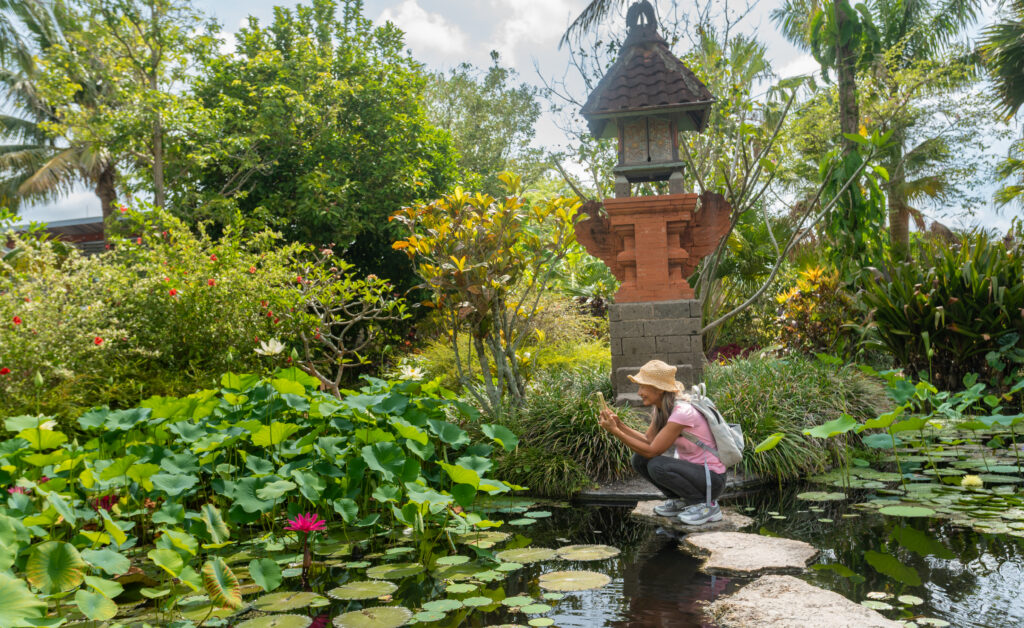
Surrounded by large tropical plants and trees, a person squats down to take a photo of lotus plants while standing on stepping stones than span a pond.
You can admire our collection of lotus all summer long in the Lea Asian Garden.
Photo by John Eder

This article first appeared in the Summer 2026 issue of Cultivate, the Garden’s magazine.

Headshot of Sammy Meinders.

About the Author

Sammy Meinders is the Garden’s Communications Associate.

    Filed Under: Plant Profile Tagged With: Lotus, Lotus Effect, Plant Profile

    Footer

    Contact Us

    Join Our Email List


    Charity Navigator Four-Star Rating
    Location

    4820 Bayshore Drive
    Naples, FL 34112

    239.643.7275

    Hours of operation

    Summer Hours

    June 1 – September 30

    8am – 2pm daily

    Tickets

    Adults: $27
    Children (4 – 17): FREE
    Children 3 & Under: FREE
    Members: FREE

    Buy Tickets

    Quick Links
    • Fogg Café
    • Berger Shop in the Garden
    • Hats in the Garden
    • Blog
    • Volunteers
    • Members
    • Employment
    • Executive Staff
    • Media
    • Sponsor
    • Private Events
    • Privacy Policy
    • Website Accessibility

    Copyright © 2026 Naples Botanical Garden All Rights Reserved.