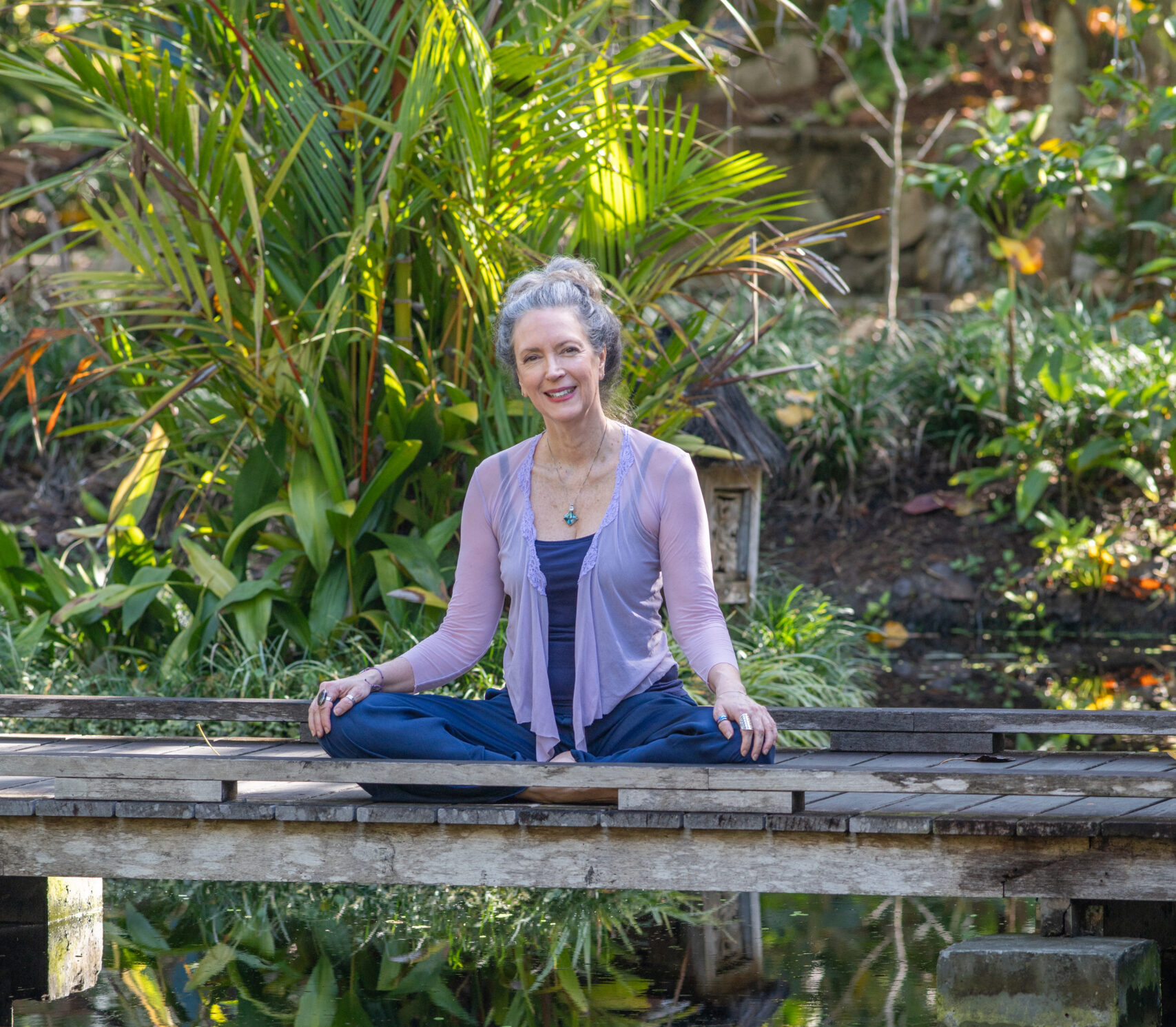
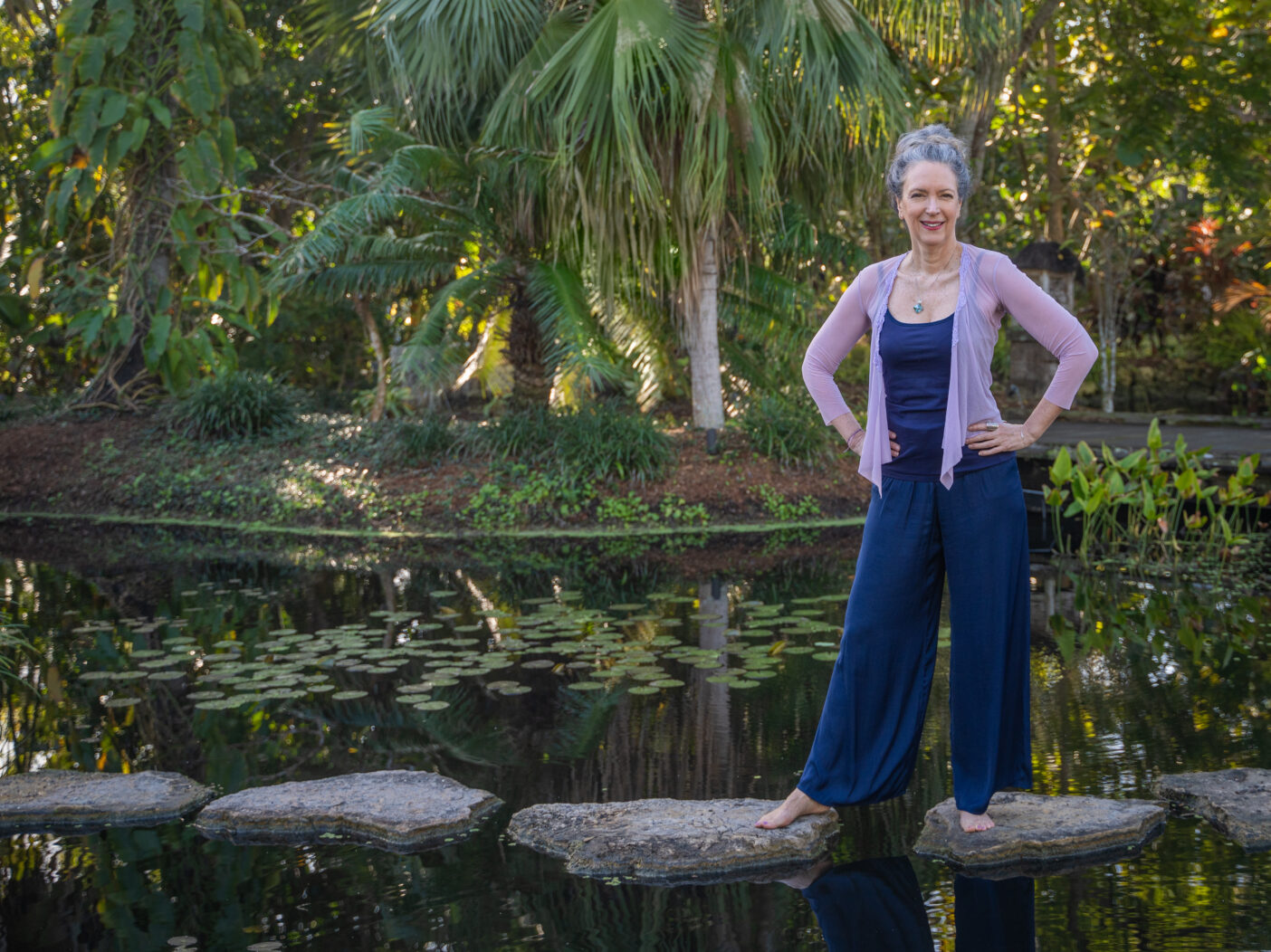
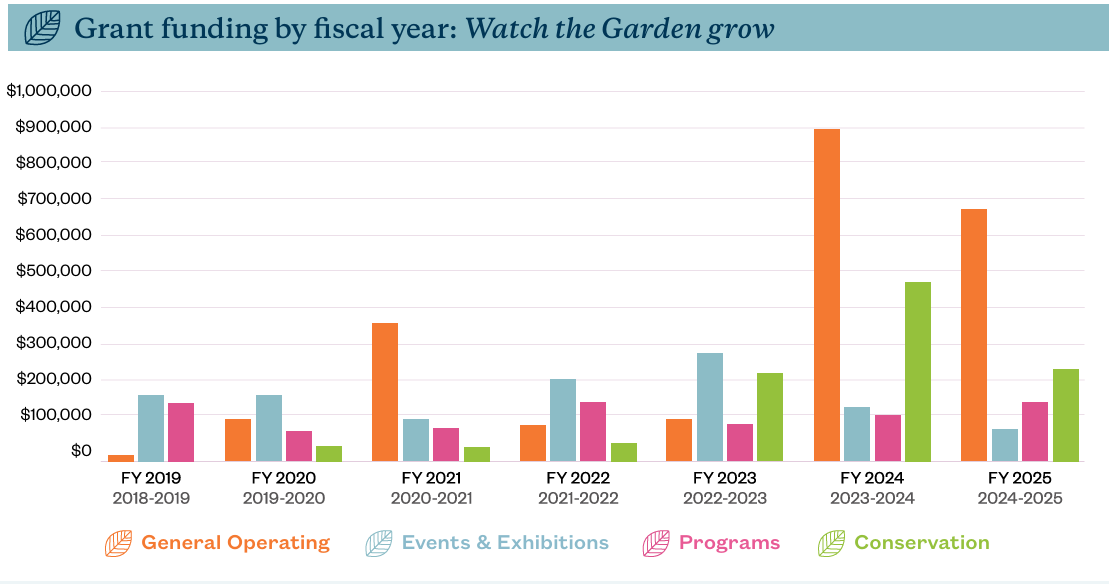
Trisha Griffin, a second-generation, Miami-born Floridian, has always been keenly aware of her surroundings—take, for instance, the rustling of a gopher tortoise during a trail walk, or the fragrance of plumeria in bloom. A passion for helping her local environment dovetails into another prowess: managing the Garden’s grant program, which accounted for more than $1 million in our 2024 – 2025 season. The Garden’s conservation initiatives are expanding, propelled, in part, by Griffin’s successes securing grant funding for such endeavors—the very thing that drew her to the Garden in the first place.
I started working as a part-time subcontractor at the Garden in December 2014. The Chabraja Visitor Center had just opened, and I processed memberships and gifts. With experience in nonprofits since the late ’90s, I had done a little bit of everything, including grant writing here and there. Writing has always been my passion; it was my goal to be a full-time grant writer. After one year at the Garden, I was hired as an employee and handling all grants.
The fun thing about managing our grant program is, it’s always changing based on what we’re doing. I find it challenging, and I always take it personally, as if it were my money. In my mind, this is our money, and I want the most possible for our mission at the end of the day.
There are ingredients that go well together to make grants happen. You know when you have the grandmother who says, “I don’t measure.” It’s kind of like that. You must be organized; you must be on top of the grantors’ guidelines and deadlines: Two, three, four, five years in a row they’re the same, then they change. You can never make assumptions. You must be hypervigilant, dotting your i’s and crossing your t’s.
A lot of what we do is cyclical. In the fall, everyone else is gearing up for season; for me, it’s the opposite. The majority of my applications are in the spring and summer and then it tapers down. However, you don’t just apply for a grant and forget about it. There’s always something to do: researching, tracking, reporting. Grant funders want to know their money is being put to good use; it is important to track where the money is spent and report on the outcomes.
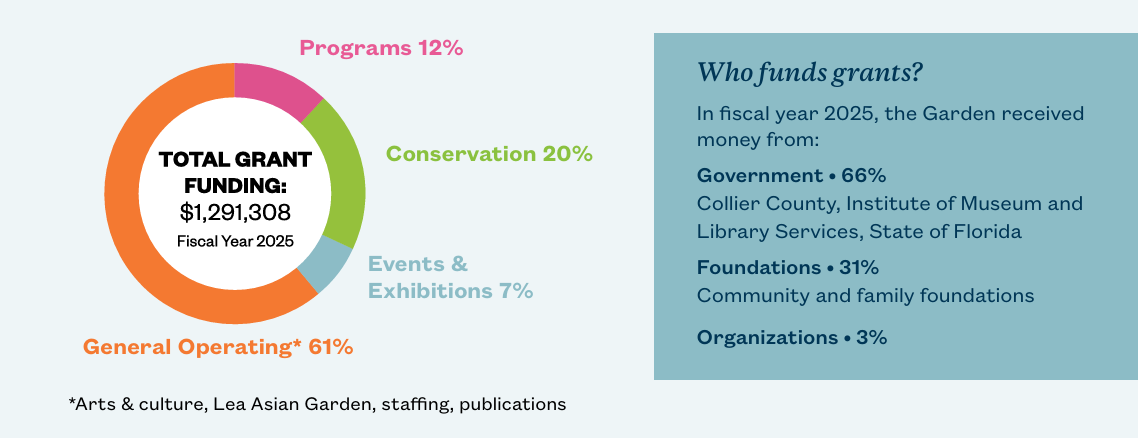
There’s nothing that’s black and white about grant funding. Opportunities fluctuate based on a variety of factors, from extreme circumstances like pandemics and hurricanes to the availability of funds—or lack thereof—as has been the case in recent cycles.
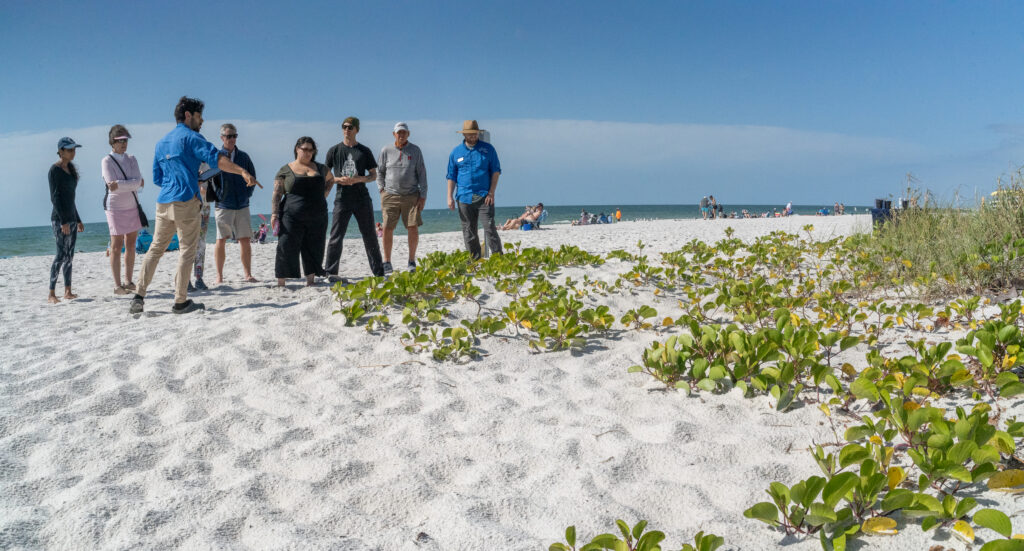
Private foundations and regional organizations are our grant funding bread and butter. The Garden’s government funding has grown. It speaks volumes about what we’re doing and offering the community. The biggest opportunities are conservation related, in support of beach dunes, stormwater management, seed collecting, prescribed burns, etc. Those tend to be multi-year, million-dollar, ongoing projects. So much of the work we’re doing in the Caribbean and internationally is making that possible.
While there are no guarantees, as the Garden grows and our programs become more robust, the more benefits there are to the community—and the more opportunities we have for grant funding.
This article first appeared in the Spring 2026 issue of Cultivate, the Garden’s magazine.