As a child I played with pokeweed, Phytolacca decandra. My sister and I would collect handfuls of berries, crush them, and create a bright fuchsia concoction. We would paint whatever happened to be accessible. What I didn’t realize then is that people for eons had used wild-growing plants for their pigments. Pokeweed was traditionally used by Native Americans for dyeing fabrics. It was also used during the Civil War as ink to write letters.
One thing I did understand is the fascinating serendipity of creating dyes from plants. It was a discovery that likely influenced my future passion for design and botany. I immersed myself in all things creative, especially when plants and paints were involved. In college, I studied fashion marketing and learned relationships of color, and its influence on perception and mood. While in school, I also learned how to use protein dyes and wax to create works of art.
A good friend in Japan, Hiroki Hattori, also uses dyes extrapolated from plants. He creates contemporary fabrics using traditional, Kusaki-zome dyeing techniques. Last fall, I had a chance to visit with him, and together we swapped strategies for extracting colors from plants.
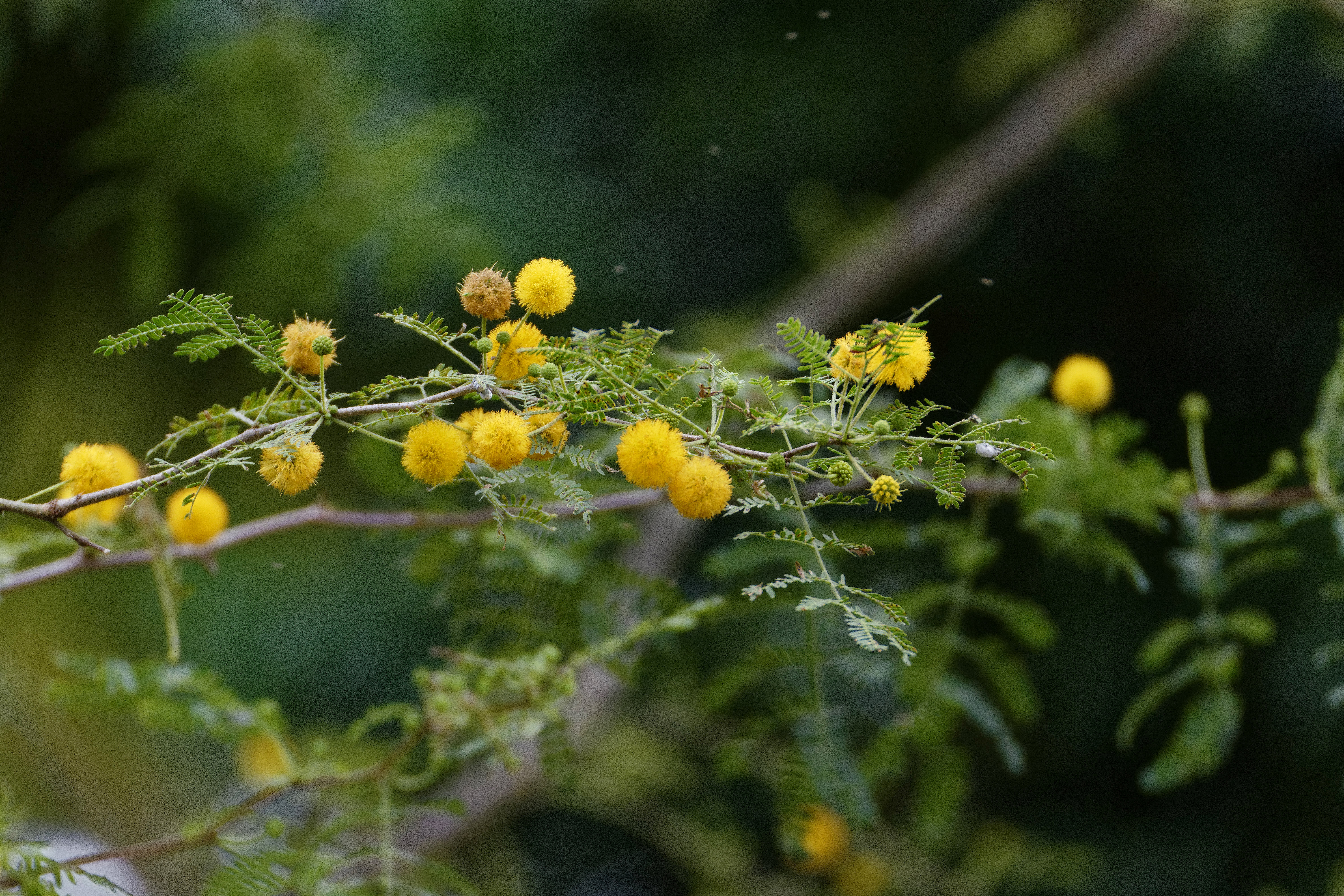
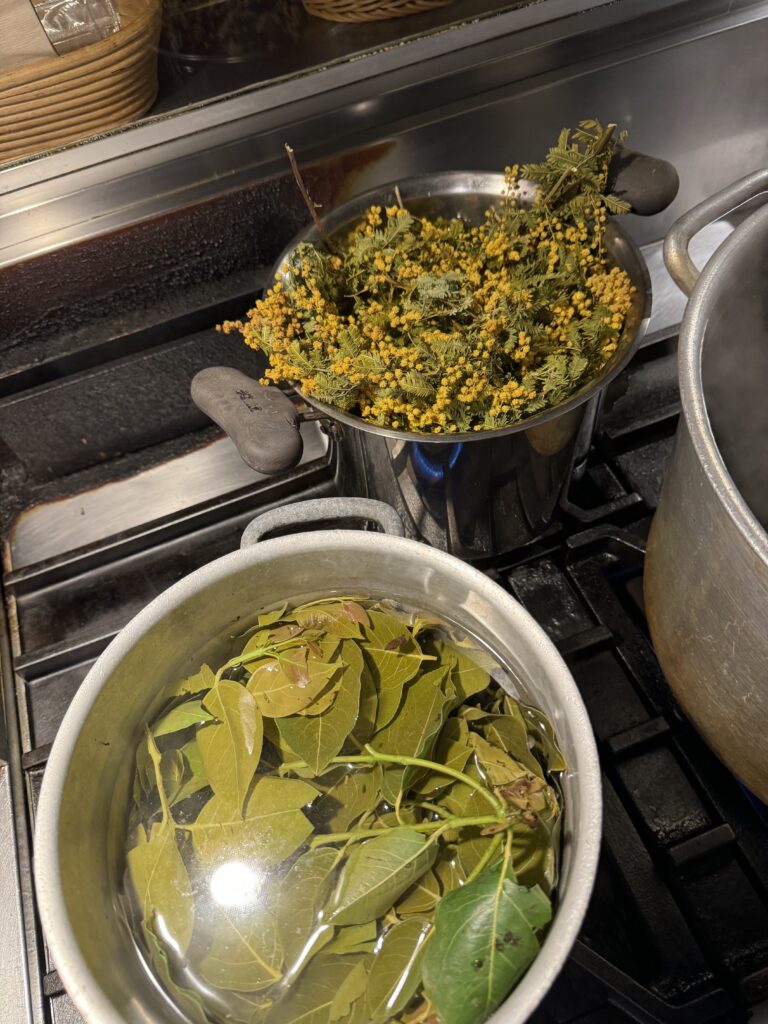
Photo by John Eder
Above, left to right: Leaves of rainbow eucalyptus (Eucalyptus deglupta) and acacia (Acacia sp.), simmer as part of the dyeing process.
Photo by Kristin Hood
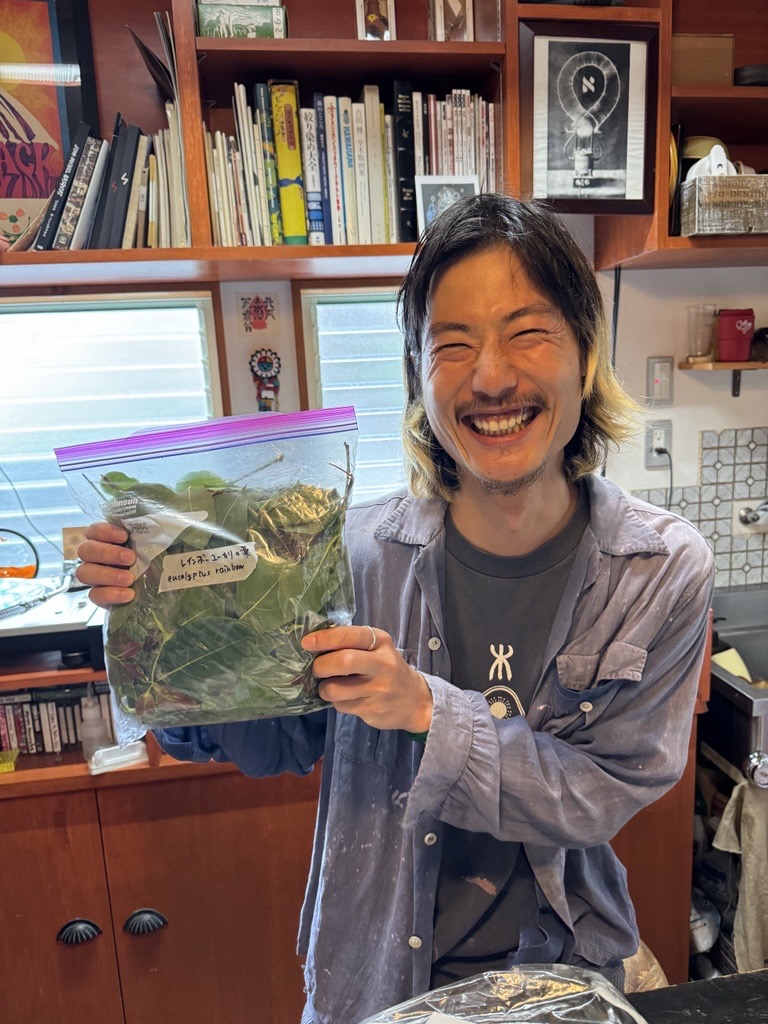
Photo by Kristin Hood
Hiroki defines his technique as, “the process by which natural colors are created through human hands from all manner of natural things—grass, flowers, trees, stones, insects, and more.” He combines nature’s elements—wood, fire, earth, metal, and water—to create his art. His works are derived from plant materials like leaves, flowers, and bark. Indian madder root (Rubia cordifolia) is a material he commonly employs for dyeing red.
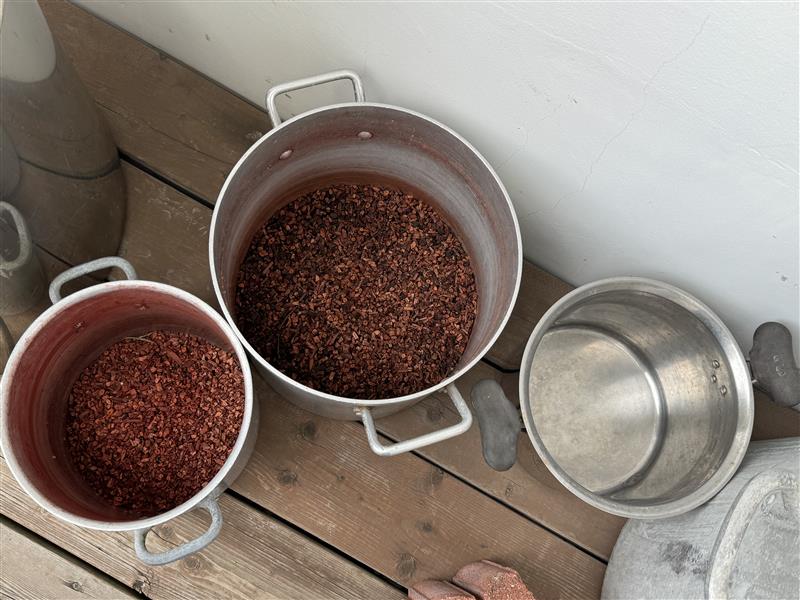
Photo by Kristin Hood
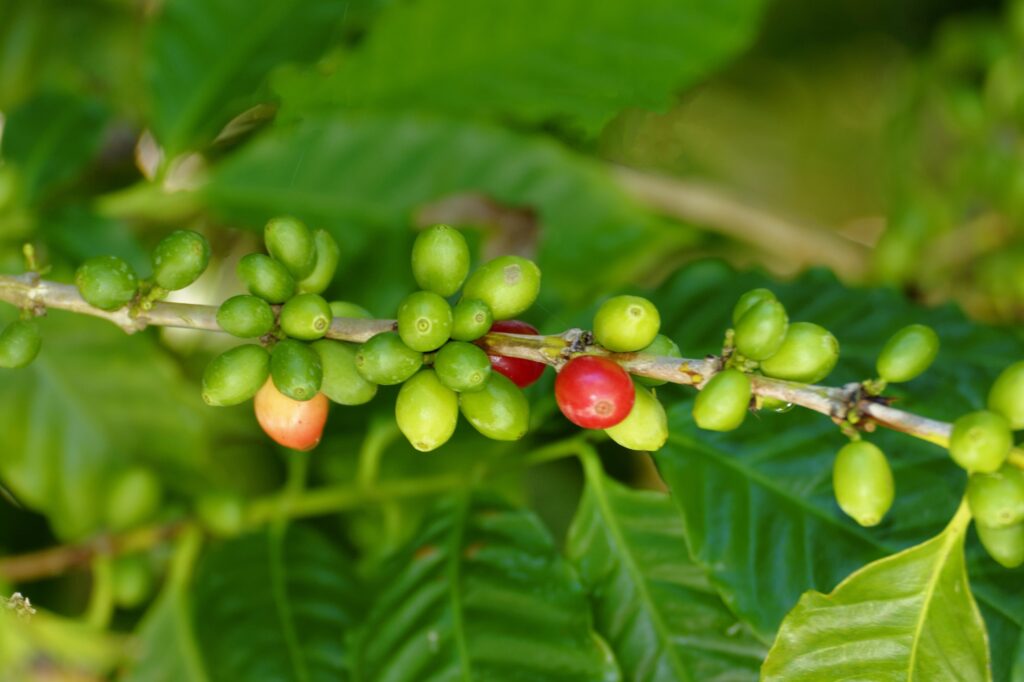
Acacia (Acacia sp.) flowers transform organic raw cotton into a rich yellow and khaki. Beige and gray originate in the fruits of the green alder tree (Alnus alnobetula); shells of chestnuts (Castanea crenata); and the fruits of coffee (Coffea arabica). To achieve purple, he uses the bark of logwood (Haematoxylum campechianum) and Japanese bayberry (Berberis thunbergii), along with the peels of pomegranate (Punica granatum).
Hiroki was also excited to show my husband and me a jar of processed cochineal (Dactylopius coccus). Cochineal is derived from an insect that lives on Opuntia cacti species. It is used in traditional dyes in Central and South America. Cochineal was highly prized during the colonial era after the Europeans learned of it from indigenous communities. It would become a great commodity; even the British red coats (yes, the ones Paul Revere warned about) were made using this specific hue. To this day, it is a rare and expensive commodity, especially on the other side of the world where it is not native, as it is here in Southwest Florida. That’s why Hiroki was so enthusiastic about having it in his collection.
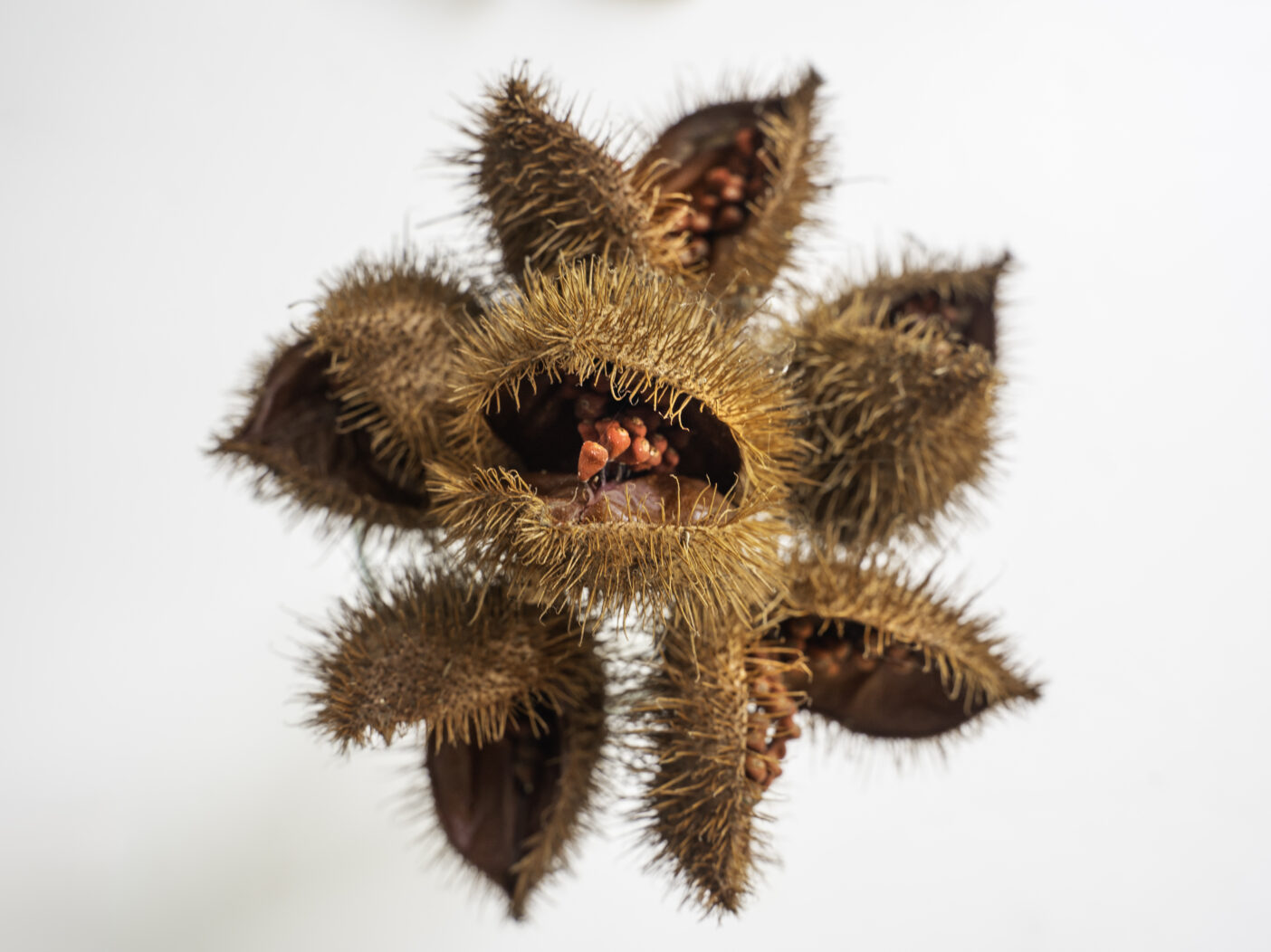
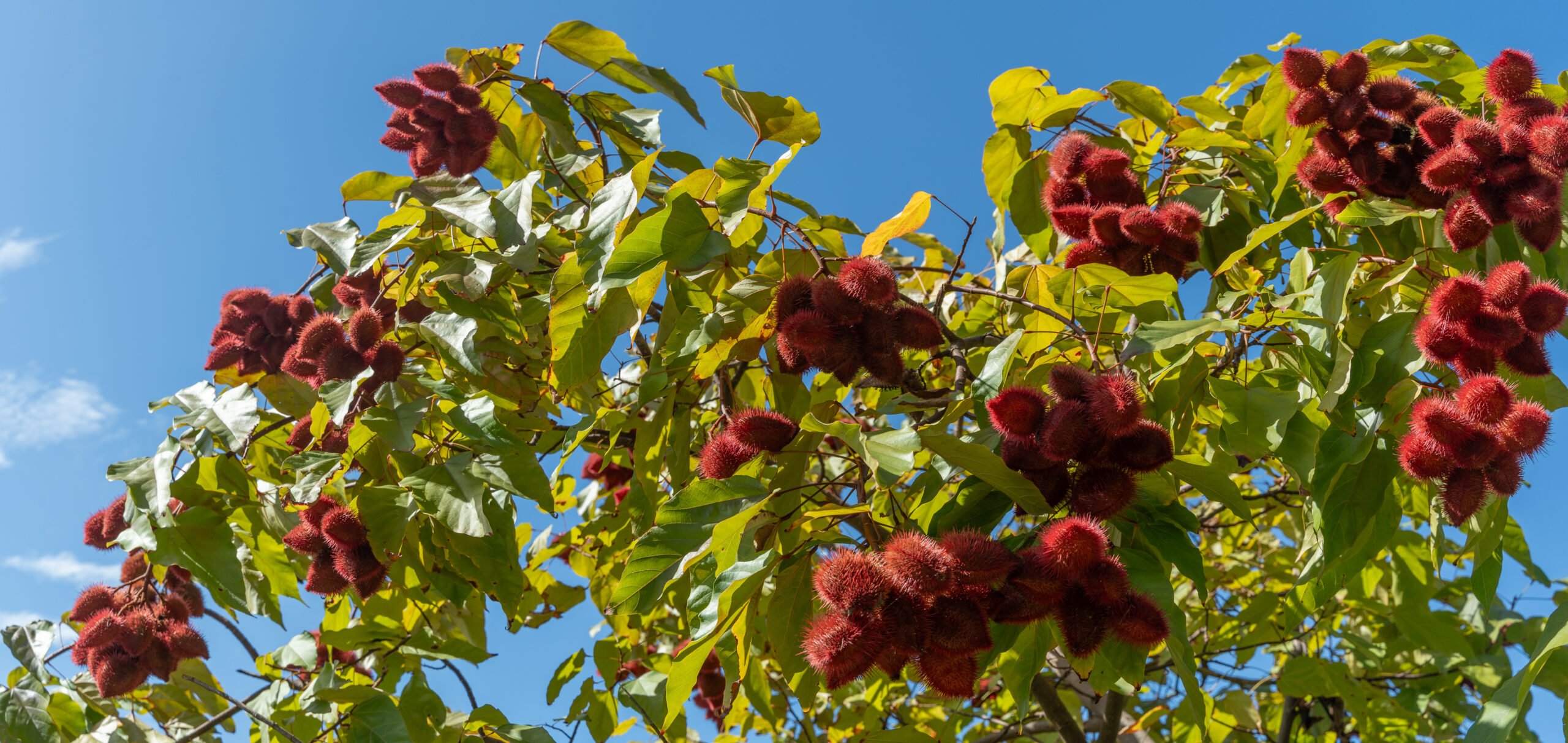
I, in turn, shared some of my go-to natural dyeing supplies. I brought him some dried and ground annatto spice, derived from the seeds of the achiote tree, Bixa orellana. Annatto is commonly used as a spice in Latin American, Caribbean, and Filipino cuisines. In those regions, it is also used in traditional dyeing practices, producing rich, warm gold and ochre colors. Hiroki was thrilled. He was familiar with most of the plants, but he didn’t have access to them.
Plant Chemistry
We stepped outside to look at the planters where Hiroki grows indigo to use in Aizome, a traditional Japanese dyeing style that uses plants as a foundation. Indigo has great cultural significance across the globe with legacies in ancient Egypt, Japan, India, Africa, and Peru. In North America, indigo is native to coastal regions of the Southeast and was among the most significant cash crops of the 1700s.
Indigo dye is created from different types of plants. The “true” indigo plant (Indigofera tinctoria) is found throughout Africa and Asia. Other plants that yield a similar hue span the globe. They include Japanese indigo (Polygonum tinctoria), Guatemalan indigo (Indigofera suffruticosa), and Chinese indigo (Persicaria tinctoria).
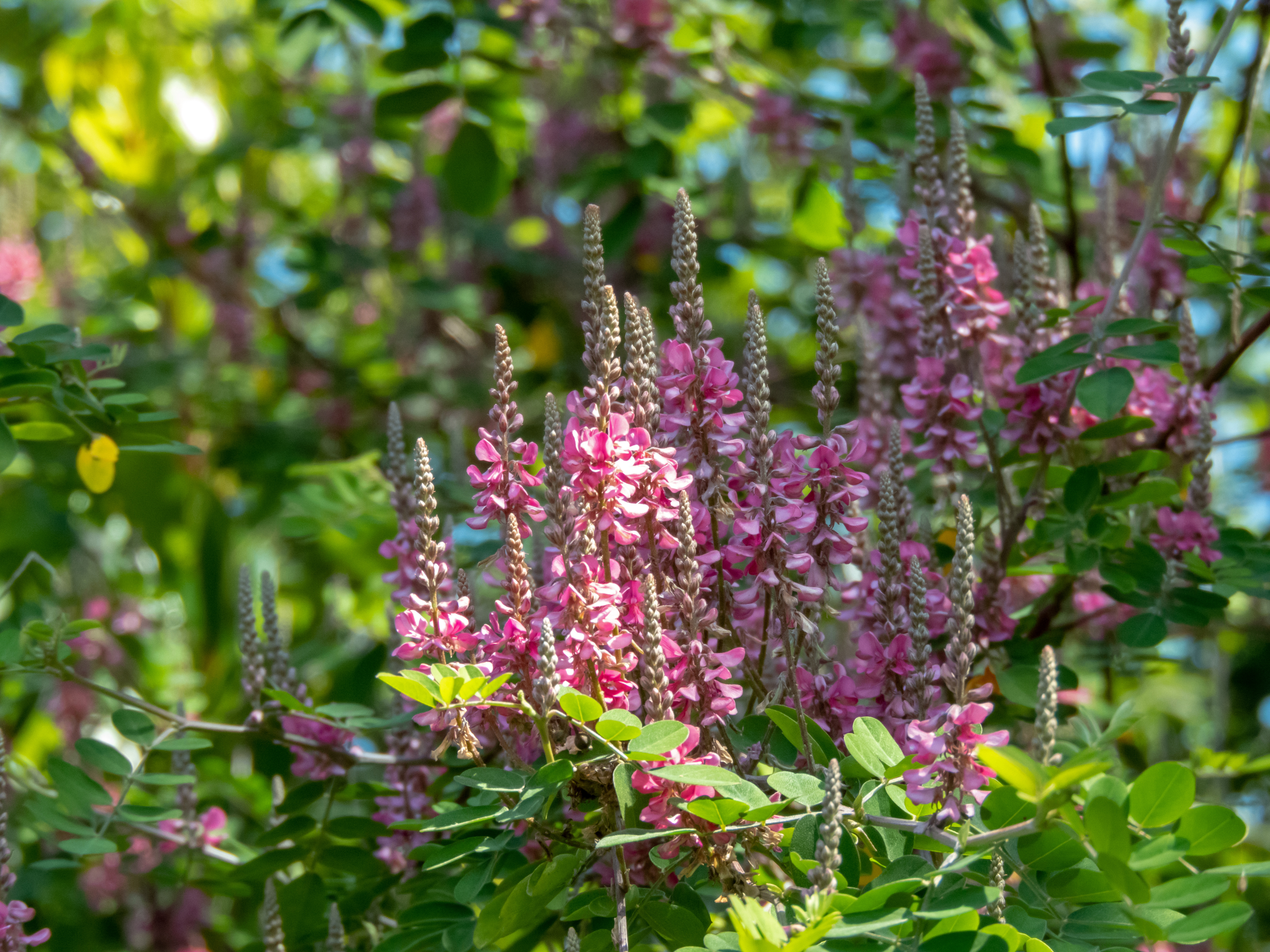
Indigo starts as a green plant. The iconic blue hue is achieved through a fermentation and oxidization process. This is hardly the only chemical process used to create dyes from plants. Logwood bark, for example, becomes blue when an alkaline solution—made from substances such as wood ash, soda ash or baking soda—is incorporated. The bark turns red in an acidic solution, using compounds such as acetic acid, grain vinegar, and citric acid. Red cabbage is similarly sensitive to changes in pH. It turns red in acidic solutions, purple in neutral ones, and blue in alkaline ones.
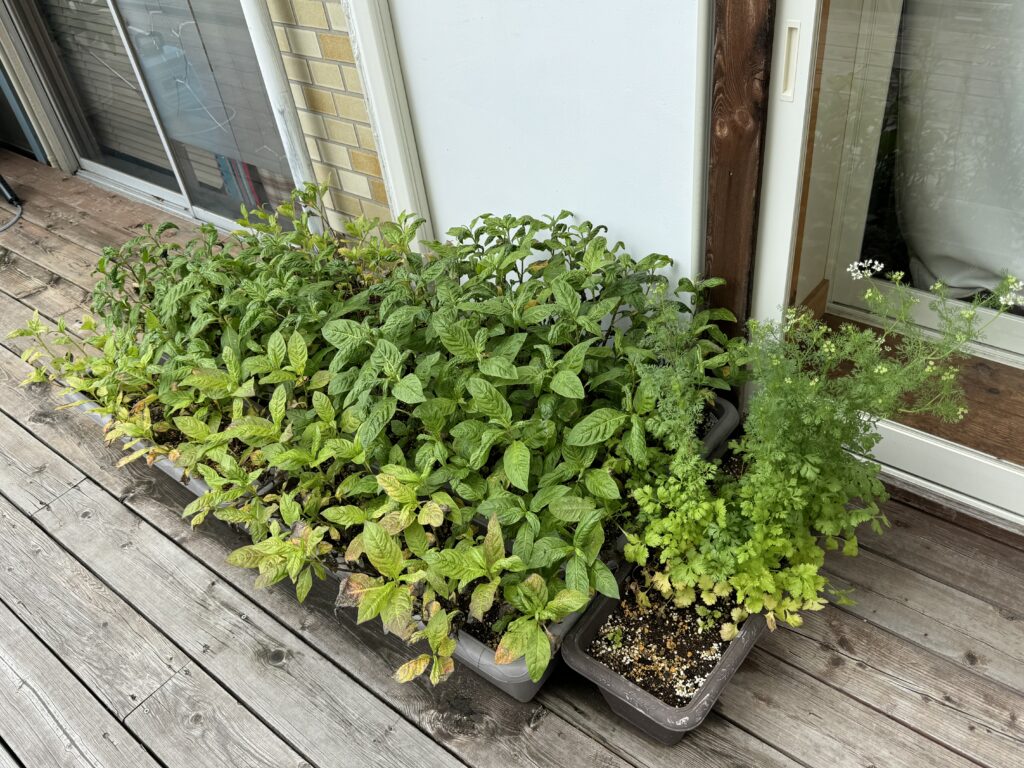
Photo by Kristin Hood
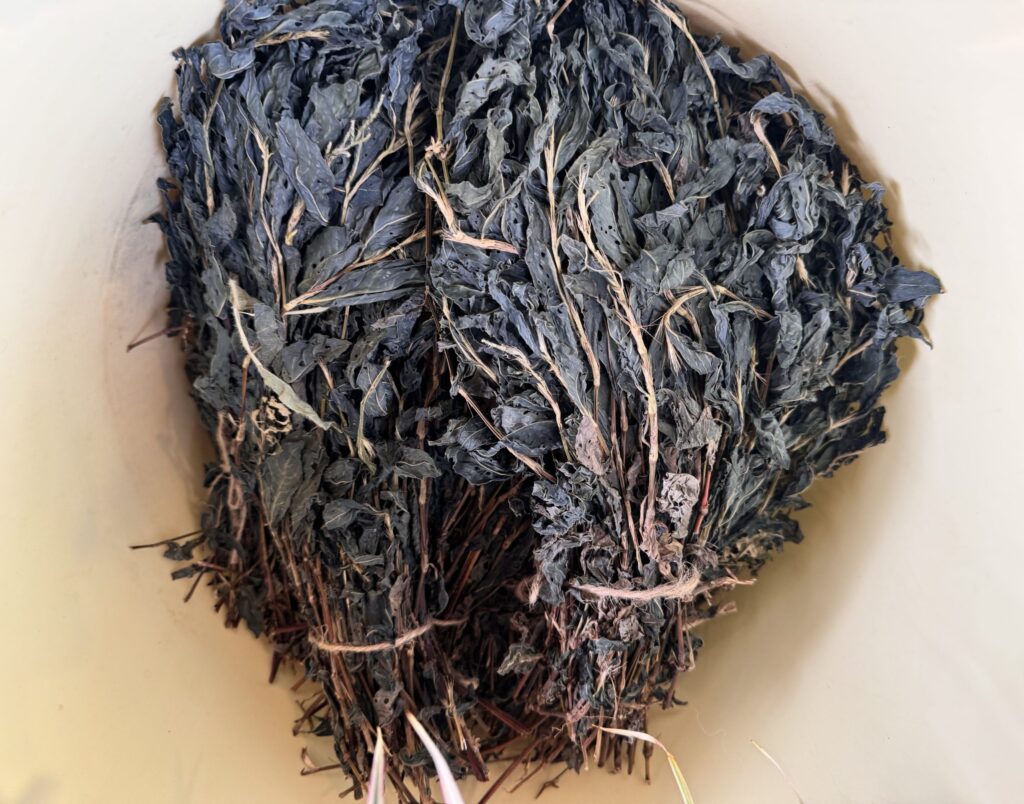
Photo by Kristin Hood
Those acid and alkaline compounds are considered “mordants,” or binding agents, that help dye adhere to fibers.
Other types of mordants include:
- metallic salts
- sulfur
- plant proteins
- tannin, a substance found in tea and the barks and fruits of some plants.
The mordant selected will impact the resulting color. Diluted soy milk, for example, can be used in tandem with coffee to create a sepia tone. The coffee does not bind well to the fiber unless pre-soaked and dried with the mordant. The soy’s proteins help the cellulose fibers soak up more color.
The artist in me loves the spectrum of hues that can be attained by combining plant extractions and mordants. Natural dyeing techniques are shared across the globe, and these fibers connect our human experience. The next time you encounter a naturally dyed piece, trace the connection to the plants that were used to create them. In the Garden you can observe fascinating, vibrant plants that might just be a part of your wardrobe.
Explore the botanical origin of pigments and purpose of floral hues, the use of color in landscape design, and much more at ChromaFlora, on display now – May 25, 2026.