Color isn’t just something we see—it’s something we feel. It shapes our emotions, what we notice, and even how we behave. From the shade of green that soothes our minds to the burst of red that energizes us, color weaves through every aspect of life—biological, emotional, and cultural.
The Language of Color and Emotion
Before exploring color in nature, it helps to understand more broadly how color affects us. Throughout history and across cultures, people have assigned meaning to colors—from the calm of blue to the energy and vitality of red. Modern psychology and neuroscience continue to explore these effects and find that color can influence everything from our heart rate to our mood.
Although the field of color psychology is still developing, some interesting studies have looked at how the colors of plants, and more broadly, nature, affect our emotions:
- A review of 128 years of psychological research, involving 42,000-plus participants from 64 countries, confirmed that people do reliably associate different colors with different emotions. For example, bright warm colors (reds, oranges, yellows) tend to evoke energy and excitement, while cooler colors (blues, greens) are more likely to elicit calm, peaceful, or restorative feelings.
- A study of foliage colors found that viewing green, light green, green-yellow, and green-white plants was associated with relaxation, comfort, naturalness, and lower oxy-hemoglobin (a measure linked to stress) in participants’ brains.
- A small-scale study on fall foliage suggests that combinations of varying hues reduced stress, improved vitality, and influenced heart rate and brainwave activity among trial participants.
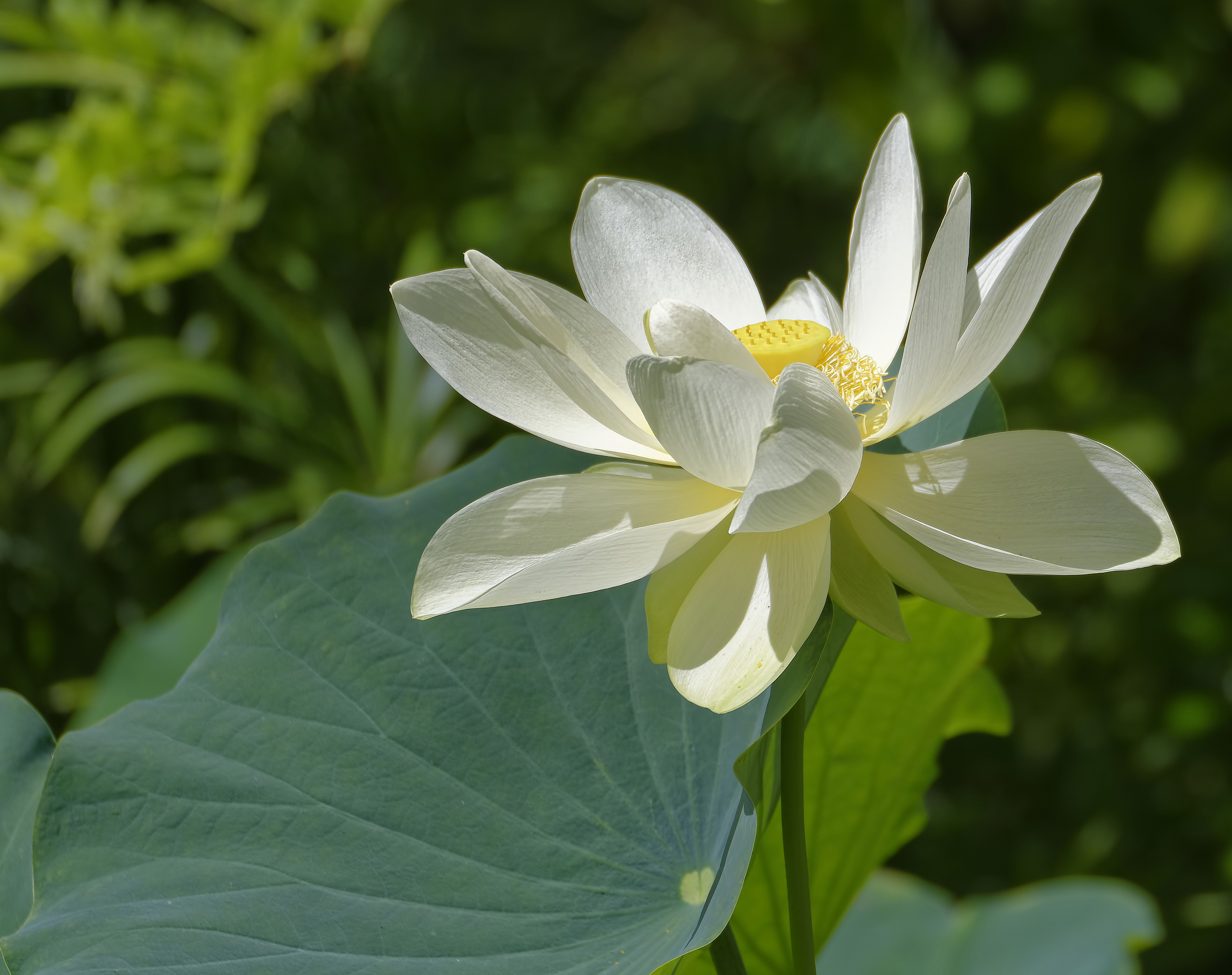
- In one floral color experiment, participants were asked to look at red, yellow, and white flowers for three minutes a piece. Researchers monitored physiological responses, such as heart rate, and administered psychological questionnaires during the process to gauge participants’ moods. Looking at red and yellow flowers, compared to white ones, led to higher alpha brain wave activity, improved mood, and increased parasympathetic nervous system activity (comparable to a body at rest).
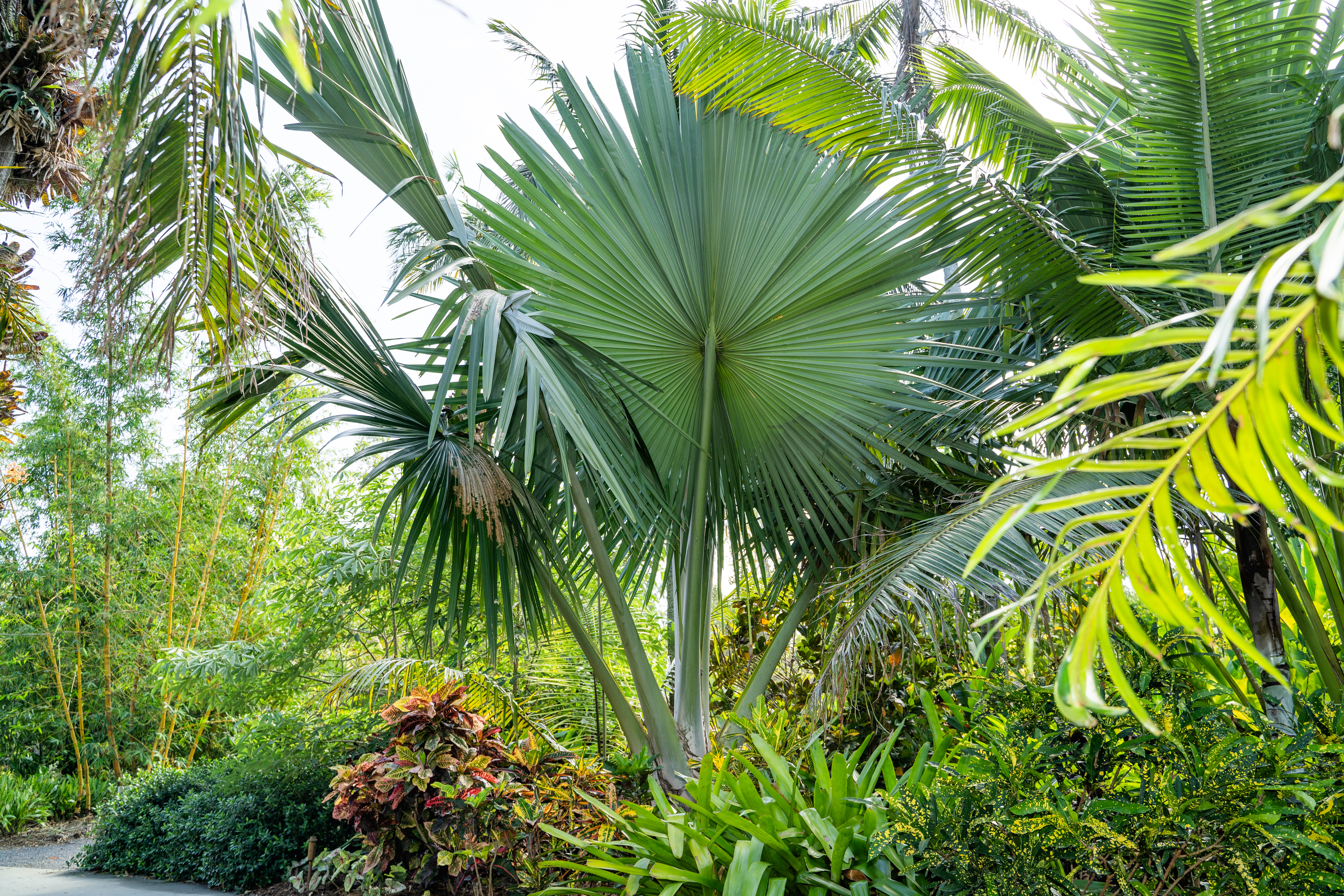
From those studies, a pattern emerges: greens and softer, more natural tones tend to calm, restore, and bring a sense of belonging; brighter, more saturated colors, such as red and yellow, energize, uplift, or activate attention. The full findings are a bit more nuanced. Tone, saturation, and hue, for example, matter; people will respond differently to a pale blue than they will a deep navy or a bright yellow versus a soft, buttery one.
Beyond single colors, being surrounded by nature’s full range of shades can have powerful effects on our well-being. In Japan, the practice of Shinrin-yoku (“forest bathing”) encourages people to slow down, walk mindfully, and take in the sights, sounds, and smells of the forest. Research shows that spending time among trees, especially under green canopies, helps reduce stress, slows the heart rate, and clears the mind. This calming effect comes from more than just color. Forest air is rich in natural compounds called phytoncides, chemicals released by trees and plants that boost immune function and lower stress hormones.
The Science of Color in Nature
What we see as color comes from the way light interacts with surfaces and how our eyes and brains process what we see. In the natural world, color has distinct purposes. Animals use it to attract mates, warn predators, or camouflage themselves. Plants do the same—brightly colored flowers lure pollinators, leaves can signal pests to stay away, and colorful fruits invite animals to eat them and spread their seeds. These same colors also affect us as humans, not only impacting mood but also influencing us in ways we perhaps don’t even realize.
Color in Everyday Life: Branding, Food & Design
Marketing specialists and graphic designers understand well how color shapes behavior and perception. In branding and design, companies choose colors to affect how we feel about products. For example, red can stimulate energy or hunger (think of restaurant logos), green signals health, freshness, and sustainability, and blue evokes trust (common in tech and finance). These associations show how deeply color is rooted into our instincts and emotions.
Even in food choices, color matters. Research shows that brightly colored foods, such as bright orange fruit or deep green vegetables, are associated with freshness and vitality. Color can make a meal feel more appealing, comforting, or nourishing before we even take a bite! The next time you go out to eat, notice how the chef uses color in plating the food.
Color in the Garden
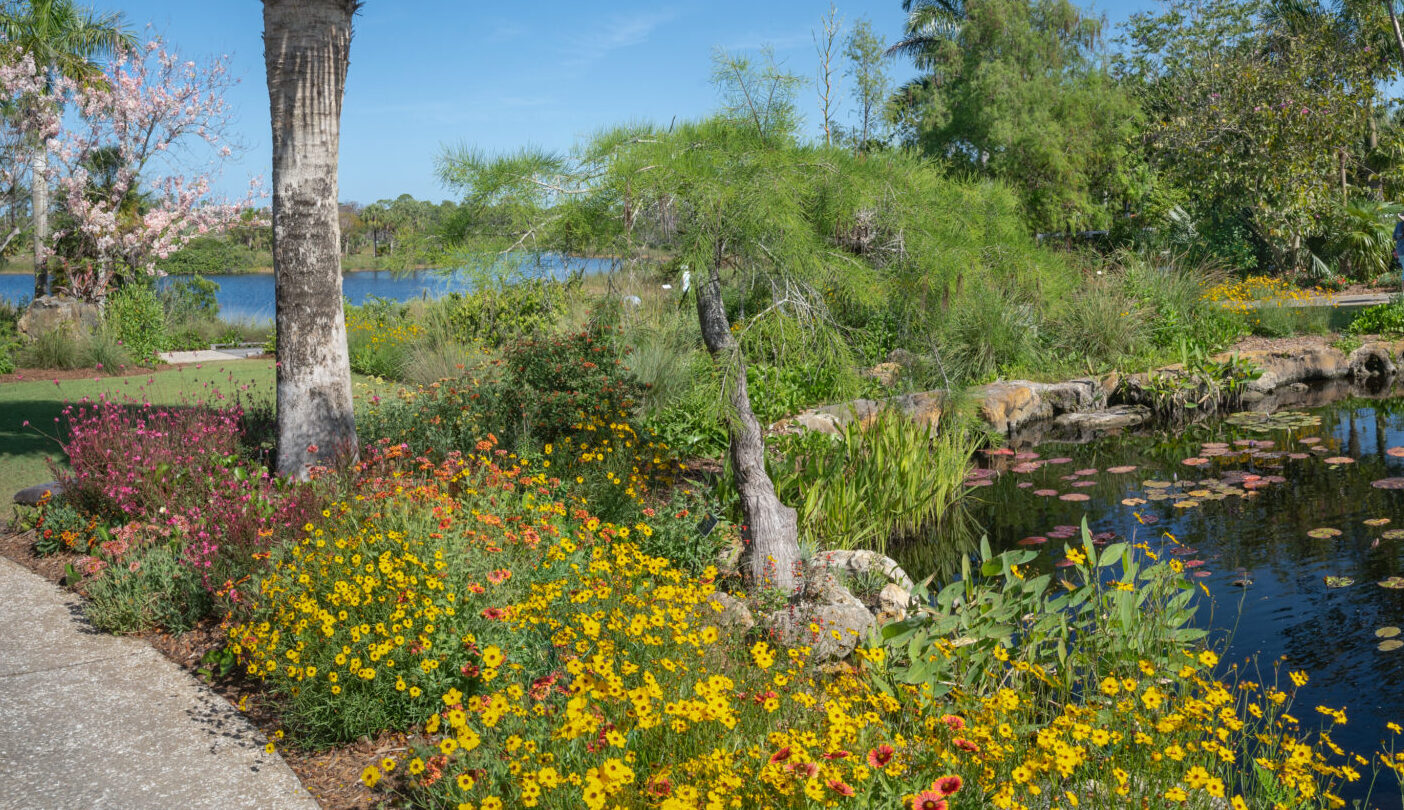
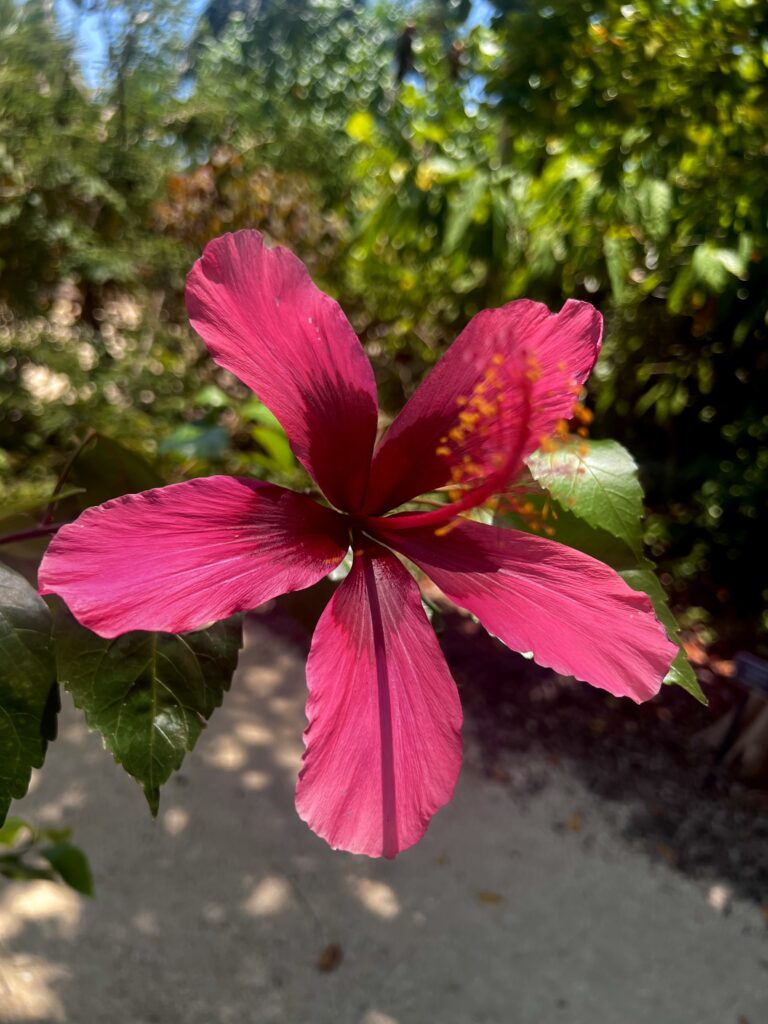
As you wander the Garden, consider a vibrant red hibiscus (Hibiscus rosa-sinensis) juxtaposed against dark green foliage. How do you respond it it? Did it draw your attention like a magnet?
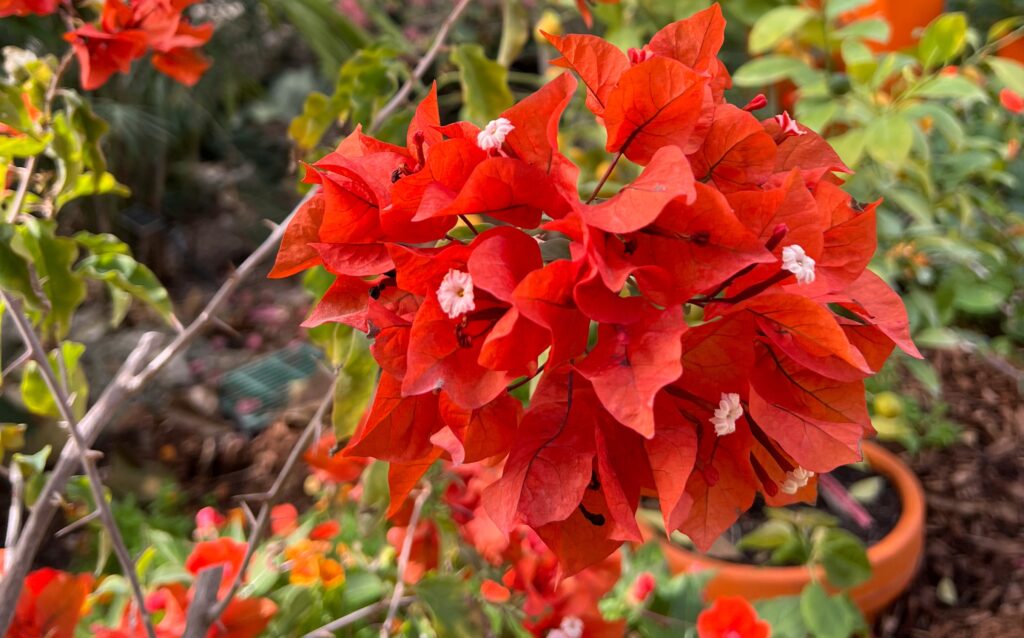
Now turn your attention to the blue sky vine (Thunbergia grandiflora) as it weaves its way around the oolite pergola in the Kapnick Caribbean Garden. Notice how it stands out against the surrounding greenery. Does its vivid blue color stir any particular feeling within you? Bougainvillea, too, appears throughout the Garden, its deep pink blooms creating a striking contrast against the dark green leaves. As you take in these colors, what emotions arise? Do any memories surface?
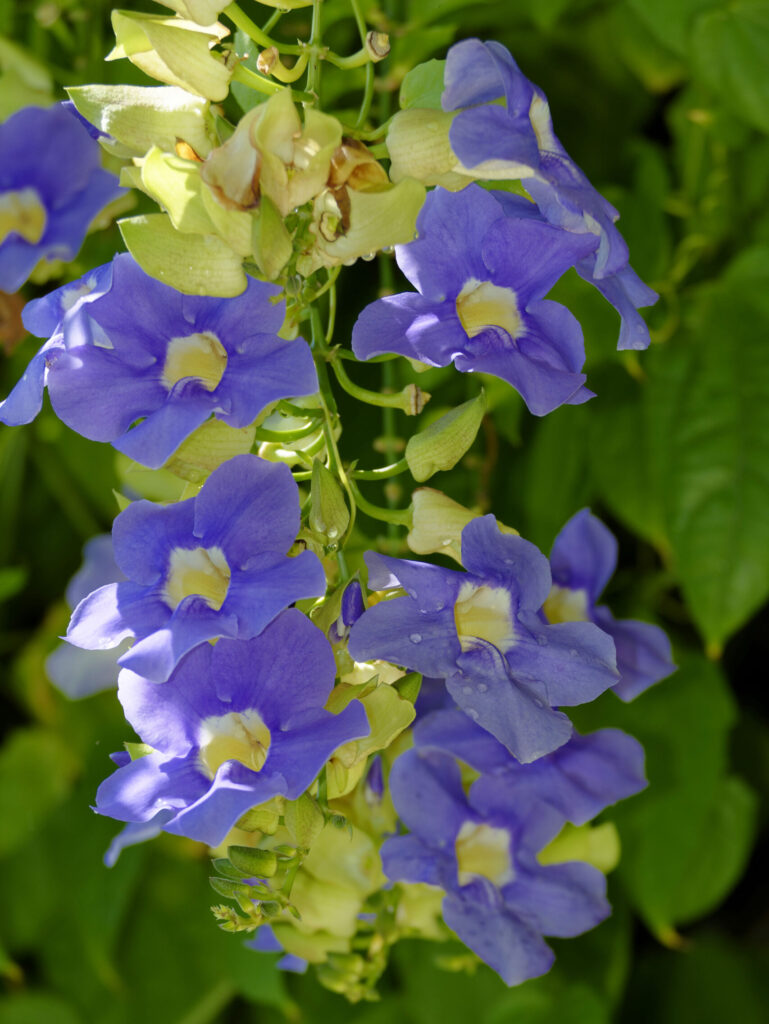
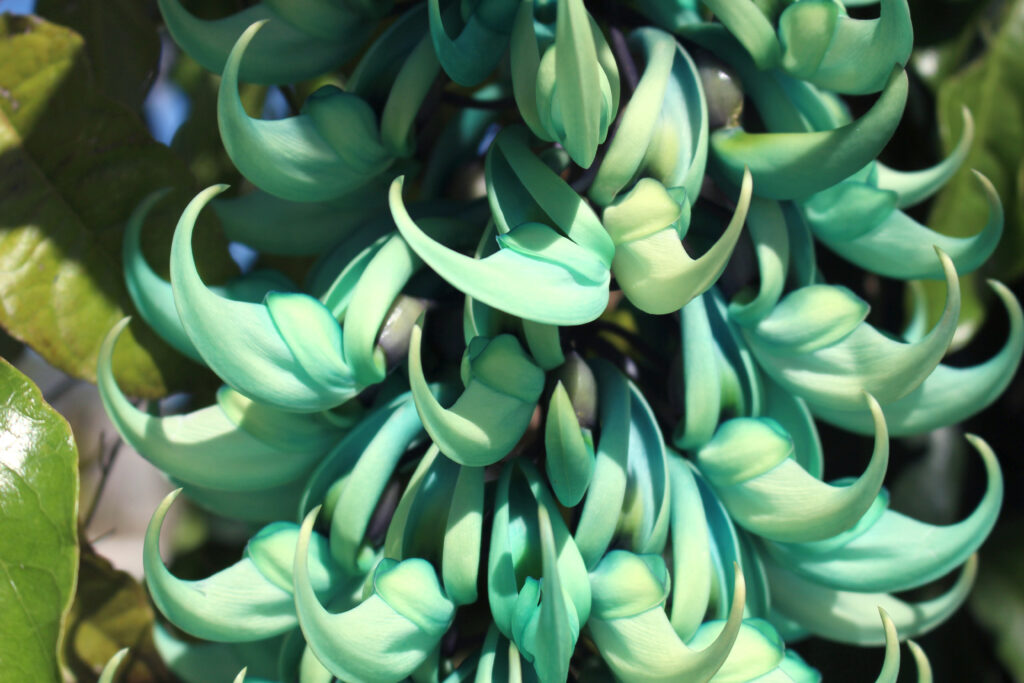
Along the way, look for rare or unusual colors, such as the bright blue of the butterfly pea flower (Clitoria ternatea) or the iridescent jade vine (Strongylodon macrobotrys). Did it pique your curiosity or spark a sense of wonder?
Do colors trigger memories and emotion? Red berries might call up happy remembrances of holidays past, a marbled mango might bring you back to a grandparent’s yard. These personal associations make color more than just something we see—they make it something we feel. In this way, color in the Garden isn’t just about how plants grow or survive, but about how they touch us through light, feeling, and memory.
Explore the botanical origin of pigments and purpose of floral hues, the use of color in landscape design, and much more at ChromaFlora, on display now – May 25, 2026.