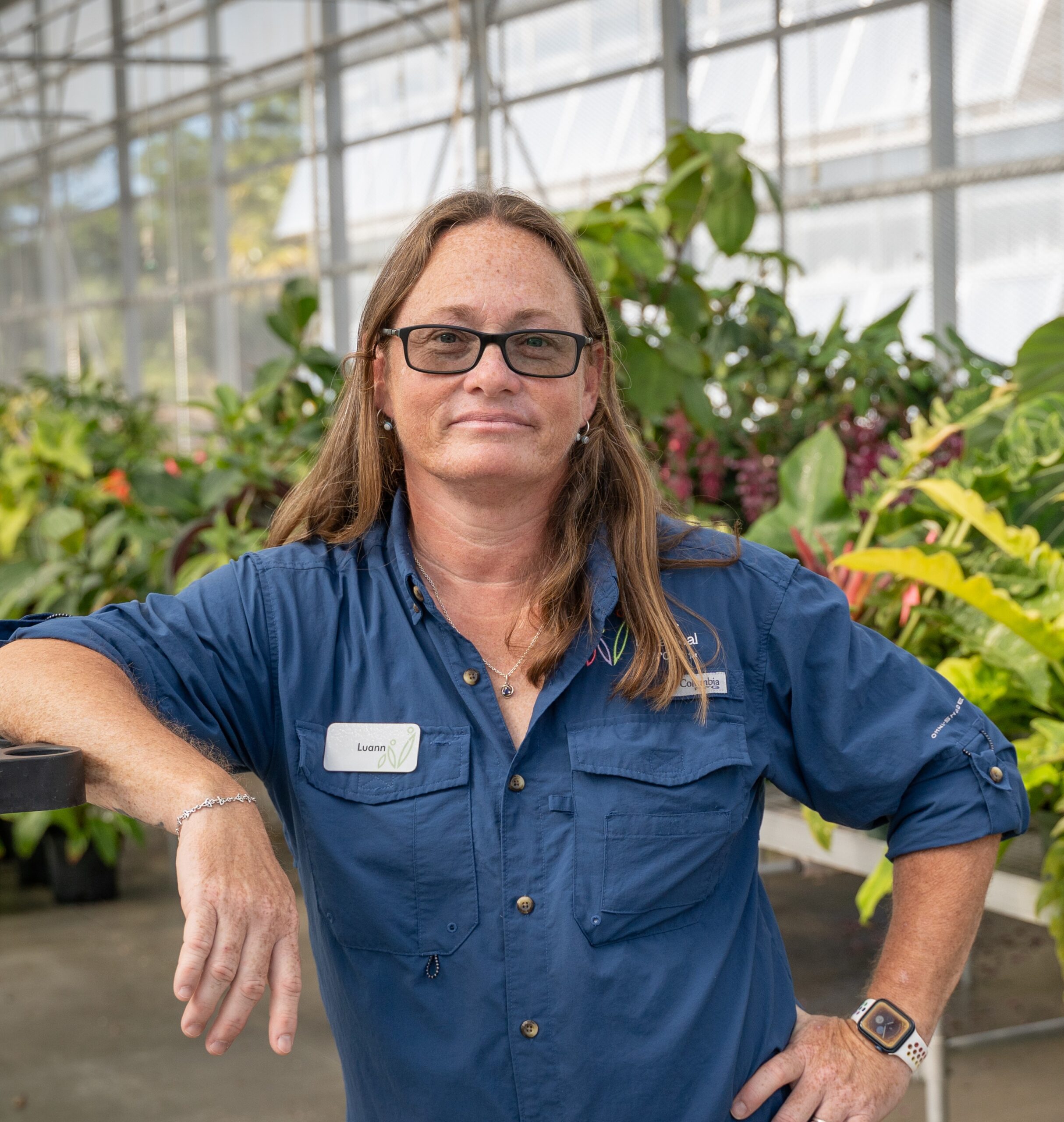
I was about 4 years old when I first fell in love with the quiet magic of plants. I remember standing in my mother’s garden as a young child, carefully cross-pollinating her flowers just to see what the seedlings might become, something I’d picked up from a PBS kids show. Even then, I was chasing possibility. Looking back, it feels inevitable that I would grow up to work in plant production.
Every Mother’s Day, Mom and I made our pilgrimage to the wholesale market. We’d wander through flats of color, selecting treasures for her garden. I was always drawn to whatever was new that year—the latest introductions, the colors we hadn’t yet tried. One year it was begonias, the next impatiens. We learned through observation, noting what thrived in sun and what preferred shade, quietly mapping our yard season by season.
We shared something special—a language spoken through leaves and petals.

Above: Luann Gallagher, right, with her mother
During horticulture school and my internships, I’d bring home stories of plants we had studied, and we would marvel together. Years later, when she moved to Florida, the roles gently shifted. She would call me about a new plant she had discovered and ask how to care for it. Those conversations remain some of my most cherished memories.
My mother has been gone for 11 years now, but every Mother’s Day I still feel her beside me in the greenhouse aisles.
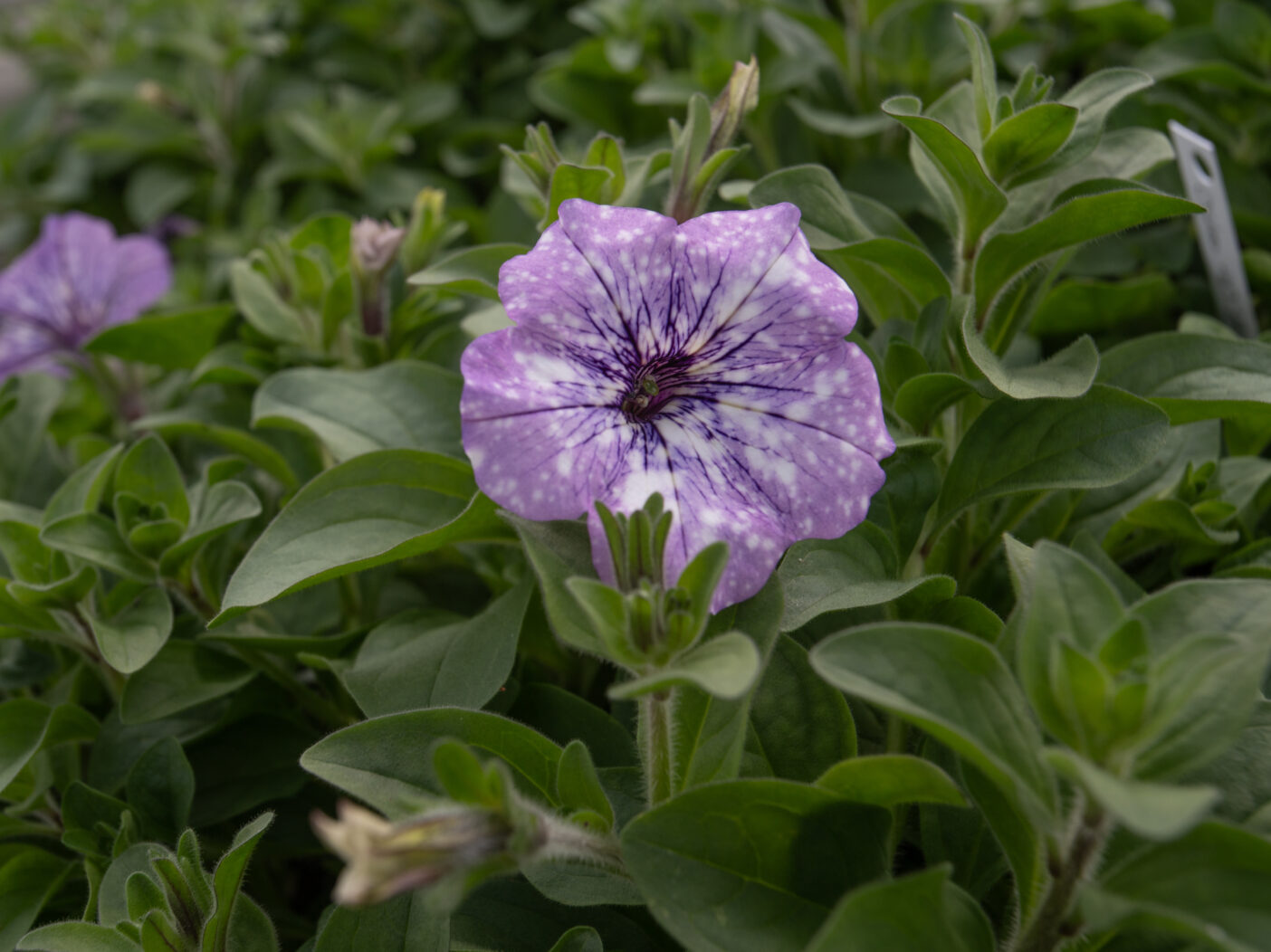
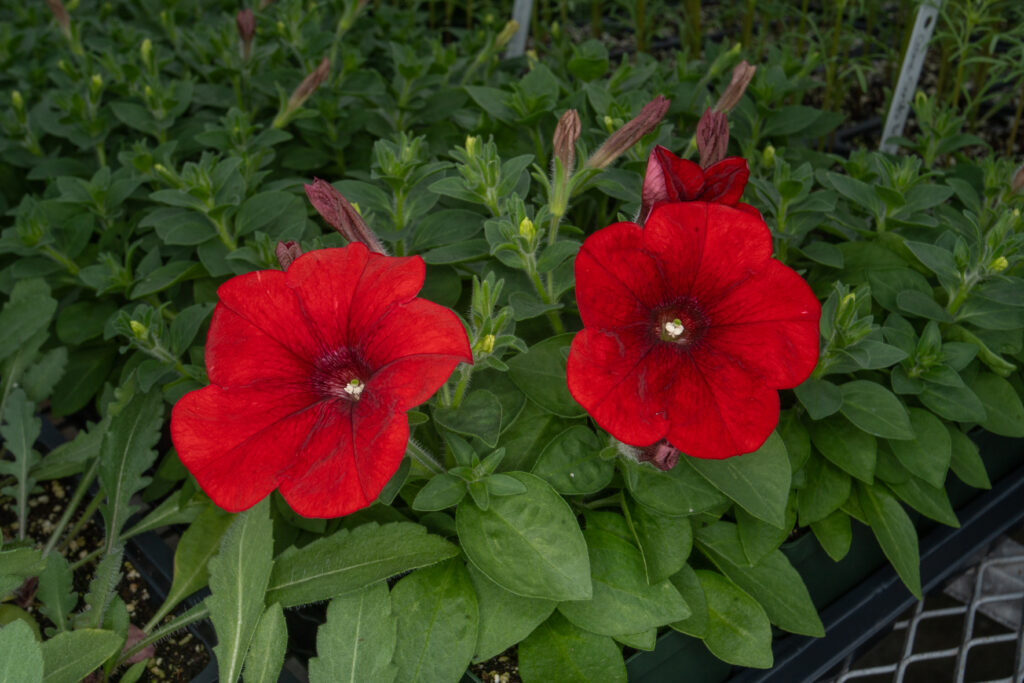
This year, in her honor, I found myself drawn to petunias, her favorites. With a budget and mandate to create the ChromaFlora exhibition, we were able to acquire petunia cultivars that most people only see in magazines. Petunias have evolved—and let’s be honest, been masterfully bred—into something almost magical. Greens, oranges, buttery yellows … and my personal favorite, a crystal blue scattered with white speckles called ‘Crystal Sky.’
Photos by John Eder
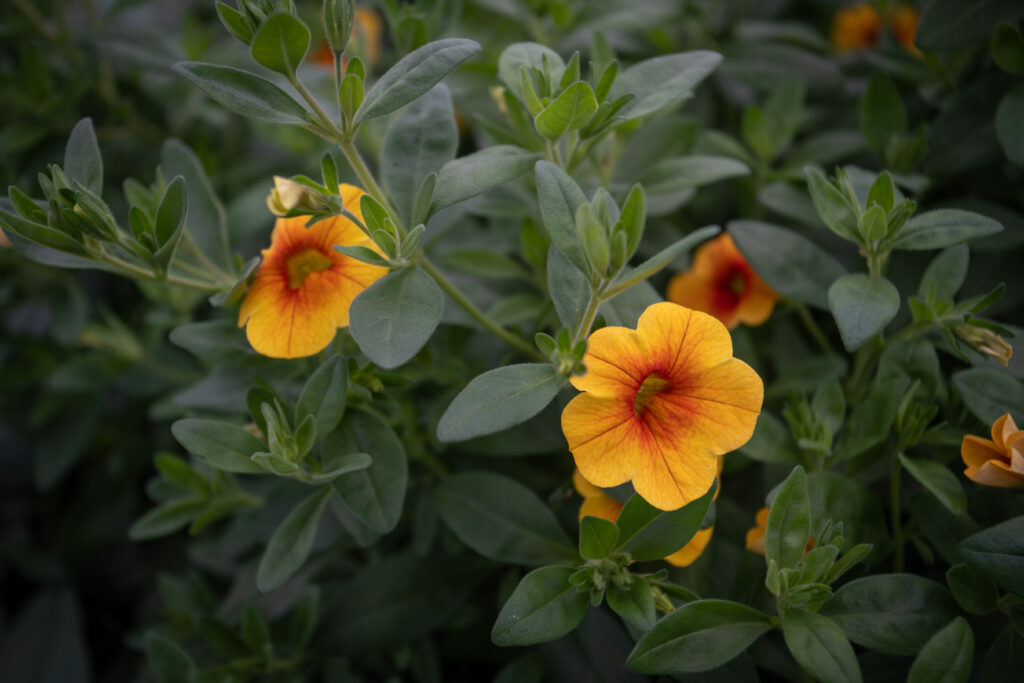
Petunias now come in trailing forms that spill elegantly over containers or mounding types that create lush, floral domes. And then there’s calibrachoa—often called “million bells.” While not technically petunias, they share a similar charm. Their smaller blooms and tidy habit make them wonderfully low-maintenance companions.
Both thrive with at least six hours of bright morning light, consistent moisture, and regular feeding. If you’ve struggled with petunias before, here’s a simple cheat sheet to keep them happy:
- Water them: Keep the soil evenly moist. Think hydrated—not crispy edges.
- Sun them: Six hours of full morning sun is ideal. Afternoon sun, especially here in Florida, can be brutal.
- Fertilize them: I like to alternate a liquid feed of Jacks 10-30-20 with Jacks Petunia Feed 20-6-22 every other week to keep blooms coming strong.
- Trim them: Shape them gently as they grow. And deadhead often. Remember: If a plant is busy producing seed, it no longer needs to produce flowers. Trim, trim, trim.
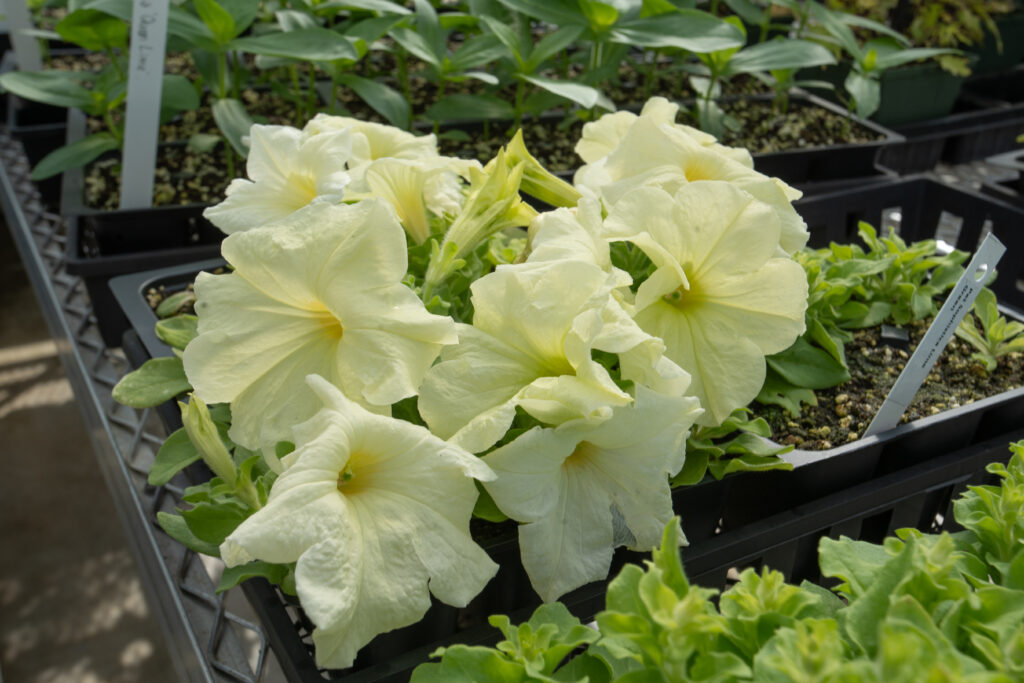
Petunias may be common, but in the right light, they are anything but ordinary. This Mother’s Day, as I walk the greenhouse rows, I’ll be reminded that gardening is rarely just about plants. It is about memory. It is about shared wonder. It is about the quiet inheritance of love passed from one set of hands to another.
And somewhere, I like to think, my mom is still picking out the brightest flat on the table.